

Economy
Nigeria’s 23 Reporting States Post 27% Tax Revenue Growth in H1 2026
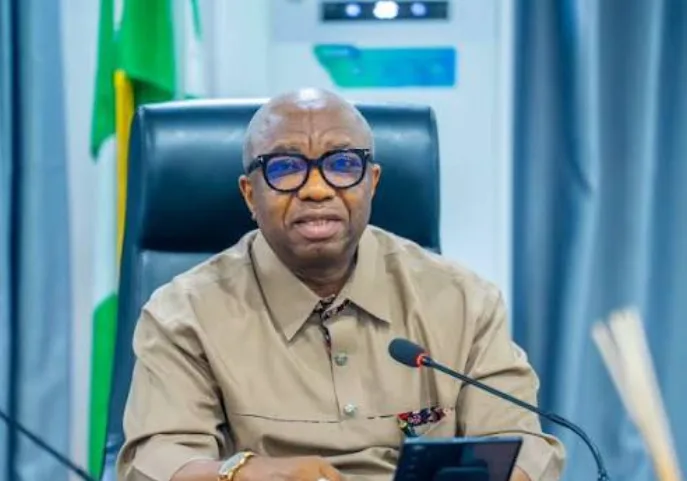
Nigeria has recorded a 27 per cent rise in tax revenue collected by 23 states between January and June 2026 when compared with the same period last year.
Olusegun Adesokan, Executive Secretary of the Joint Revenue Board (JRB) said this while speaking on the initial success of the new tax legislations put into place on January 1, 2026.
“This reflects our efforts in improving tax administration, broadening the tax base and getting those earning high incomes to pay their fair share while reducing the tax pressure on those on a low income,” he said.
Adesokan said 21 states had also adopted the system of harmonised taxes and levies to overcome the problem of double taxation.
He said it was a joint effort with the Presidential Committee on Fiscal Policy and Tax Reforms to ensure a wide range of taxes and levies from state and local government were merged.
"This is really aimed at reducing the problem of double taxation to make things much simpler and the tax system become more transparent and easier to comply with," he said.
"The driving factor behind this is we want to tax those who are doing well and not those on a low income. We want to ensure we get those who are better off paying in proportion to contribute to national development."
Data from 23 states indicated that around 92 per cent of income earners are either paying less in tax or are not paying personal income tax, he said.
The changes will help put more money in the pockets of those on a low and middle income. It will also encourage businesses to expand and create jobs.
Adesokan said the reforms had been backed up with the introduction of a National Tax Identification Number (Tax ID). This was put in place in conjunction with the Nigerian Revenue Service (NRD) and state internal revenue.
He said it ensured a centralised system for the tax authorities to check tax payer information from all states.
Those wanting to find out their Tax ID can simply enter their personal information into the various portals. They will then be connected with previous tax identification.
The JRB executive secretary said they had also worked with relevant bodies such as the police to combat illegal levies and activities that result in increased costs for moving goods.
One of the reasons for increased transportation costs has been illegal collections. This then affects the price of food and other essentials.
The JRB have produced guidelines to ensure tax is implemented fairly across the country and are also working with state authorities to ensure there is good compliance.
Adesokan said that the tax reforms have not been introduced to increase taxes. The aim has been to ensure they are simplified, fair and increase collection.
"The success of this new tax system should be measured by how it helps businesses grow and create employment and improve the welfare of Nigerians.
"I’m sure everyone has heard of the vision. The vision is to tax prosperity not poverty. Tax the fruit not the seed. We should be taxing returns not investments.
"We have our own guiding principles called FEAT. Fair, Equitable, Accountable and Transparent. Fair and equitable go hand in hand.
"As I said before we must ensure Nigerians are taxed fairly and not unfairly. We won’t be taxing them too much and we need to remember they shouldn’t be over taxed.
"One of the things we’re expecting to see is more money going back into Nigerians’ pockets.
"From the returns we have had from 23 states this year and comparing with last year the same 23 states, we have seen a 27 per cent increase. This is between January to June this year.
"One of our mandates I spoke about earlier was harmonising taxes, levies and rates. To make sure we have consistency in tax.
"Alongside the Presidential Committee on Fiscal Policy and Tax Reforms we created a model to harmonise taxes and levies. We circulated this to all the states to adopt.
"One of the issues we looked to solve was double taxation at the sub-national level. This has been a huge problem. People complain that taxes are too high or that they are paying certain taxes and sometimes the state government will also ask for the same thing. We have now harmonised all of these to just nine.
"In this tax reform there have been no new taxes introduced. We have just harmonised the multiple tax systems.
"The success of tax reform will continue to be measured by how much businesses can grow, create jobs and share prosperity."
The JRB (previously known as the Joint Tax Board) have had their statutory powers widened under the Joint Revenue Board Establishment Act 2025. This includes harmonising taxes and levy, resolving tax disputes and centralising tax data throughout the federation.
Source: thesun.ng
Kindly follow via our WhatsApp channel: https://whatsapp.com/channel/0029VbDjAJCBVJlDAwVqqR1v