

News
The Politics of The Gun: Leadership Condemns Threats Of Political Violence Ahead Of Nigeria’s 2027 Elections
1. What the article is about
Leadership Newspaper has raised concerns over the growing use of violent rhetoric, threats and intimidation by Nigerian politicians ahead of the 2027 general elections.
The editorial argues that political campaigns are increasingly taking a dangerous direction, with prominent politicians making statements that could encourage armed violence, intimidate opposition supporters and undermine democratic participation.
It highlights controversial statements by political figures from Edo, Delta and Osun states.
2. Major politicians and controversies mentioned
Jarrett Tenebe – Edo State APC Chairman
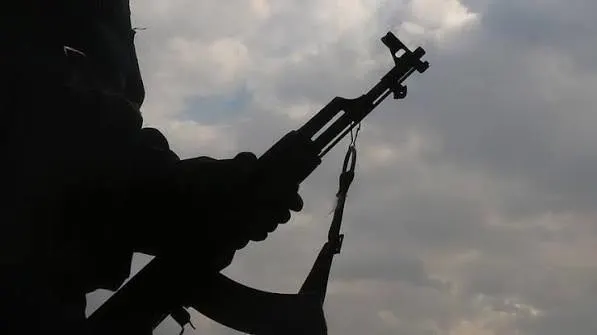
Tenebe reportedly threatened that anyone obstructing the APC's target of 2.5 million votes for President Bola Tinubu would face AK-47 fire.
He also reportedly warned opposition presidential hopefuls Peter Obi and Atiku Abubakar that they must obtain permission from Governor Monday Okpebholo before entering Edo State.
Leadership describes this as an unacceptable challenge to Nigerians' constitutional freedom of movement.
Ovie Omo-Agege – Former Deputy Senate President
The former Delta State deputy Senate president, now identified in the article as an NDC senatorial candidate, reportedly threatened that anyone involved in election rigging would be killed.
Leadership argues that even though electoral fraud is a serious offence, politicians cannot appoint themselves as executioners or encourage mob justice.
Francis Fadahunsi – Osun East Senator
The editorial also references criticism surrounding reports that Fadahunsi urged supporters to confront and physically resist rival political parties during preparations for the Osun governorship election.
Rotimi Amaechi – ADC Vice Presidential Candidate
Amaechi reportedly described people who vote for President Tinubu as thieves and madmen during an ADC town hall meeting in Benin.
Although Leadership distinguishes political insults from direct death threats, it argues that inflammatory language can deepen political divisions.
3. Legal implications
The editorial draws attention to provisions of Nigeria's Electoral Act 2026.
It highlights:
- Section 96, which prohibits abusive, intemperate or inflammatory campaign language capable of provoking violent reactions.
- Section 97, which prohibits threats of force or violence during political campaigns.
It also argues that threats to kill may attract consequences under applicable criminal laws.
The newspaper maintains that the major problem is not the absence of legislation but the failure to enforce existing laws consistently.
4. Leadership's major concerns
The editorial identifies several dangers:
- Threats against voters: Political intimidation could discourage citizens from participating in elections.
- Youth exploitation: Unemployed young people could be recruited and armed to carry out political violence.
- Electoral insecurity: Voters, INEC officials and National Youth Service Corps members could become victims.
- Voter apathy: Fear and intimidation could further reduce participation in elections.
- Weak law enforcement: Politicians may continue making dangerous statements if authorities fail to prosecute offenders.
5. What Leadership is demanding
The newspaper calls on:
- INEC to formally refer the reported threats to security agencies.
- The Inspector-General of Police to investigate the statements.
- The Department of State Services to examine potential threats to public safety.
- The Attorney-General of the Federation to ensure appropriate legal action.
- APC, NDC and ADC leadership to discipline members making inflammatory statements.
- President Tinubu to publicly distance himself from threats made in support of his re-election campaign.
The editorial insists that political influence or party affiliation should not protect anyone from accountability.
Political analysis
The 2027 Election: Is Nigeria's Political Class Normalizing Violence?
The most troubling aspect of this controversy is the possibility that political violence could become an accepted instrument of electoral competition.
Nigeria has a history of election-related violence, intimidation and political thuggery. Against that background, threats involving firearms should not be dismissed as ordinary campaign language.
Political leaders have a responsibility to protect democratic institutions, not create an atmosphere in which citizens fear exercising their constitutional rights.
There is also an important distinction between defending electoral integrity and threatening violence. Anyone who attempts to rig an election should face investigation and prosecution. But the responsibility belongs to INEC, law enforcement agencies and the courts.
Ultimately, the credibility of the 2027 elections will depend not only on the conduct of INEC but also on whether political parties demonstrate respect for democratic competition.
The critical question is: Will Nigerian security agencies enforce the law against influential politicians, or will accountability once again depend on political affiliation?
Note: Political power should never become a license to threaten lives. Nigeria's democracy needs accountability, peaceful campaigns and equal application of the law, regardless of political status.
Editorial note: The statements attributed to the politicians above are reported allegations and quotations presented by Leadership Newspaper. They should be independently verified before being republished as established facts.
Source:Original article: The Politics Of The Gun – Leadership