

News
Onuoha Urges Nigerian Media To Strengthen AI Safeguards Ahead Of 2027 Elections
Nigeria Politics | October 31, 2026
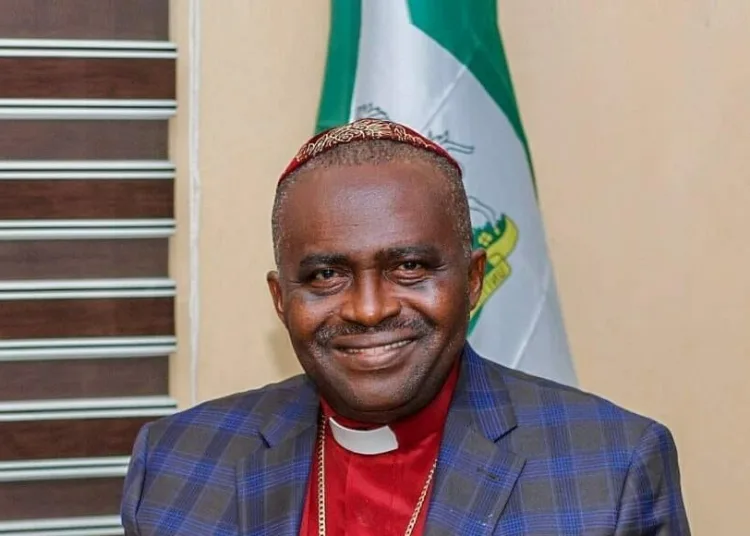
Archbishop Sunday Onuoha has urged Nigerian media organizations to strengthen their defenses against artificial intelligence-driven misinformation and disinformation ahead of the 2027 general elections.
The President of Vision Africa and former Special Assistant to ex-President Olusegun Obasanjo made the call while presenting a paper at the launch of Digital Shift in Nigeria’s Newspaper Industry, authored by LEADERSHIP Newspapers Group News Editor, Dr Sunday Isuwa, in Abuja.
Represented by Methodist Bishop Frederick Onoja, Onuoha warned that the growing use of AI and digital platforms could make it increasingly difficult for voters to distinguish genuine information from fabricated political content.
Key Recommendations
Onuoha proposed several measures to protect electoral information and strengthen public confidence:
- Dedicated election verification desks: Media organizations should establish specialized teams to investigate and verify election-related claims.
- AI newsroom policies: Newsrooms should introduce clear guidelines governing AI-generated and AI-assisted content.
- Fact-checking partnerships: Media organizations should collaborate with credible fact-checking institutions, universities and civil society groups.
- Specialized journalist training: Political reporters should receive training in electoral law, digital investigations, AI detection, data journalism and hate-speech monitoring.
- Transparent political advertising: Sponsored political content should be properly identified, with advertising and editorial decisions kept separate.
- Misinformation reporting channels: Media organizations should establish hotlines where citizens can submit suspicious information for verification.
- Local-language reporting: Electoral information should be communicated in languages that ordinary Nigerians understand.
He also called for stronger journalist safety measures and transparent correction policies.
Focus On Issues, Not Political Personalities
Onuoha urged journalists to move beyond personality-driven political coverage and concentrate on issues affecting Nigerians.
He identified employment, education, healthcare, insecurity, infrastructure, corruption, poverty, climate change and economic management as important subjects deserving attention during the 2027 campaigns.
Meanwhile, Kano State Governor Abba Kabir Yusuf and Kaduna State Governor Uba Sani also called for responsible journalism, warning that hate speech, personal attacks and unverified political reports could undermine democratic institutions.
The book's author, Dr Sunday Isuwa, cautioned that technological advancement should not come at the expense of journalistic accuracy, ethics and public trust.
LEADERSHIP Newspapers+2
Analysis: Why This Matters
The 2027 elections will take place in an increasingly sophisticated digital information environment.
AI-generated videos, cloned voices, manipulated photographs and fabricated documents could be used to falsely attribute statements to political candidates, electoral officials and government institutions.
Such content could spread rapidly through WhatsApp, Facebook, TikTok, X and other platforms before fact-checkers establish the truth.
The challenge is therefore not simply identifying fake content but ensuring that verified information reaches voters quickly enough to prevent misinformation from shaping public perceptions.
INEC has previously outlined its AI monitoring, rapid-response and media-monitoring arrangements, while emphasizing the importance of relying on its official communication channels.
INEC
Note: Protecting Nigeria's 2027 elections will require more than credible voting procedures. It will also require credible information, responsible political communication, independent journalism, digital literacy and rapid fact-checking.
Editorial source: LEADERSHIP – Onuoha Warns Against AI-Driven Election Disinformation.