

Middle East | News
Iran War Escalates as Four Oil Tankers Catch Fire in Strait of Hormuz; Trump Says Conflict Will End Soon
BREAKING NEWS | October 31, 2026
What happened?
The conflict involving Iran, the United States and Israel has entered another dangerous phase following reports of multiple oil tanker incidents in the strategically important Strait of Hormuz.
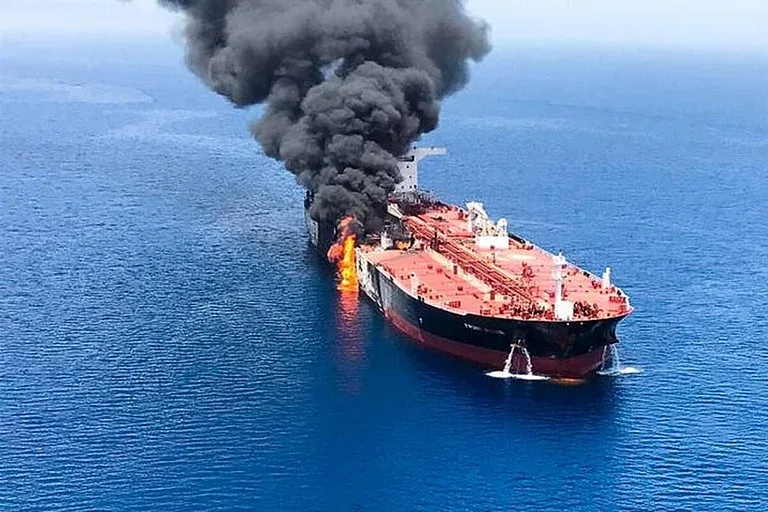
According to Al Jazeera's live coverage, Iran's Islamic Revolutionary Guard Corps (IRGC) says four oil tankers caught fire and exploded while attempting to navigate routes it described as unauthorized.
The incidents have heightened concerns about the safety of commercial shipping and the potential disruption of global energy supplies.
Meanwhile, US President Donald Trump has expressed optimism that the conflict could soon end, saying the war is expected to be "wrapped up soon". However, he stressed that Washington wants guarantees that Iran will never acquire nuclear weapons.
Key developments
1. Four tankers reportedly hit: Iran's Revolutionary Guard says four oil tankers caught fire and exploded in the Strait of Hormuz.
2. Oman rescues sailors: Oman's navy reportedly rescued 25 crew members from a Panama-flagged commercial vessel hit near the Musandam Peninsula.
3. Trump signals possible end to war: The US president says the conflict could conclude soon, but insists on guarantees against Iran developing nuclear weapons.
4. Diplomatic efforts continue: Iranian media report that a Qatari delegation has returned to Tehran for discussions, while an Iranian source says Tehran has received a US letter concerning an end to the war.
5. Pakistan's mediation: Pakistan's military spokesperson says Islamabad remains cautiously optimistic about its mediation efforts between Washington and Tehran.
6. Regional tensions widen: The Saudi-led coalition says it intercepted Houthi drones over parts of Saudi Arabia, although the Yemeni group denied launching attacks against the kingdom.
Why the Strait of Hormuz matters
The Strait of Hormuz is one of the world's most important energy shipping routes. It connects the Persian Gulf to international waters and is essential for transporting crude oil and other energy products from Gulf producers.
Any prolonged disruption could have several consequences:
- Global oil prices: Reduced tanker movements could push international crude oil prices higher.
- International trade: Shipping delays and higher insurance costs could affect global commerce.
- Energy security: Countries heavily dependent on Gulf oil exports could face supply uncertainty.
- Regional security: Further attacks could increase the risk of military confrontation involving the US, Iran and regional allies.
- Economic consequences for Africa: Higher oil prices could increase fuel, transportation and production costs in countries such as Nigeria.
Important verification notes
Reuters reports that Iran's Revolutionary Guards made the claims about four tankers, but Reuters could not independently verify those claims. Separately, maritime authorities reported additional tanker incidents. The incidents should therefore not automatically be treated as one confirmed attack involving four independently verified vessels.
Factful24 takeaway
The latest developments expose the connection between military confrontation in the Middle East and the stability of the global economy. Trump's prediction that the war could end soon contrasts with continuing maritime incidents and unresolved diplomatic questions.
Whether negotiations can produce a lasting agreement will depend on nuclear guarantees, maritime security, sanctions and the willingness of both sides to compromise.
The central question remains: Can diplomacy prevent another escalation before the crisis disrupts global energy supplies even further?
Sources for publication and verification: