

Africa | News
Ebola Reportedly Kills More Than 5,000 in DR Congo: Understanding the Outbreak and Public Health Concerns
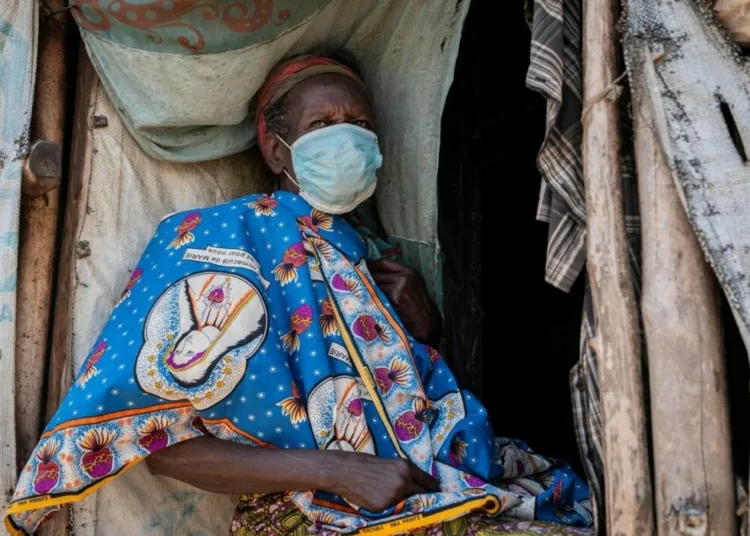
The reported Ebola death toll in the Democratic Republic of Congo (DR Congo) raises serious concerns about public health, disease surveillance and the capacity of healthcare systems to contain deadly infectious diseases.
Important: The headlines figure of more than 5,000 deaths needs to be distinguished from confirmed deaths in a specific Ebola outbreak and cumulative fatalities recorded across multiple outbreaks. These are not interchangeable figures.
Key details from the report
According to the LEADERSHIP report published on November 1, 2026:
- Death toll: More than 5,000 people have reportedly died in the ongoing outbreak.
- Confirmed infections: More than 10,300 cases have been recorded.
- Geographical spread: Eight of DR Congo's 26 provinces are affected.
- Fatality rate: Approximately 48.6%.
- Epicentre: Ituri Province in north-eastern DR Congo.
- Virus strain: Bundibugyo virus.
- International spread: Cases have been reported in other countries, including Kenya, Nigeria and Uganda.
LEADERSHIP Newspapers+1
Latest international verification
The situation is particularly concerning because the outbreak has crossed national borders.
The Associated Press reported that 5,026 people had died among 10,351 infected people, putting the fatality rate at nearly 50%.
AP News
The US Centers for Disease Control and Prevention (CDC), using data through October 28, reported 4,996 confirmed deaths across the affected countries, including 4,992 in DR Congo. The different figures reflect reporting dates and data reconciliation.
Nigeria alert
The World Health Organization confirmed an imported Ebola case in Abuja on October 20, 2026, involving a traveler who had arrived from Uganda. The patient was isolated and received medical care.
World Health Organization+1
Why the outbreak is difficult to contain
- Armed conflict: Insecurity in affected areas makes it difficult for health workers to reach communities.
- Limited treatment options: The Bundibugyo strain currently has no approved specific treatment or licensed vaccine.
- Delayed diagnosis: Some patients die before receiving appropriate medical attention.
- Cross-border movement: Travel and population movement increase the risk of international transmission.
- Community resistance: Attacks on health workers and distrust of response teams complicate containment efforts.
What Nigerians should know
Ebola spreads through direct contact with the blood or other bodily fluids of infected people, including people who have died from the disease.
Common symptoms include:
- Sudden fever.
- Severe weakness and fatigue.
- Headaches and muscle pain.
- Vomiting and diarrhoea.
- Abdominal pain.
- In some cases, unexplained bleeding.
Anyone experiencing compatible symptoms after a possible exposure should seek urgent medical attention and inform healthcare providers about their travel or contact history. Avoid direct contact with suspected cases and do not handle the bodies of suspected Ebola victims.
Editorial takeaway
The Ebola crisis in DR Congo is no longer simply a national health emergency. Its geographical spread and the confirmation of imported cases in other African countries make it a significant regional public health concern.
For Nigeria, the Abuja case reinforces the importance of border surveillance, hospital preparedness, rapid testing, contact tracing and public health communication.
The absence of an approved vaccine or specific treatment for the Bundibugyo strain makes early detection, infection prevention and coordinated public health intervention particularly important.
The central question is whether African governments and international health agencies can strengthen their response quickly enough to prevent this outbreak from becoming an even greater continental emergency.
Sources for accountability and verification: