

Health & WellBeing
Ebola Scare in Nigeria: Two Suspected Cases in North-East Test Negative as NCDC Intensifies Surveillance
LATEST UPDATE: BOTH CASES TESTED NEGATIVE
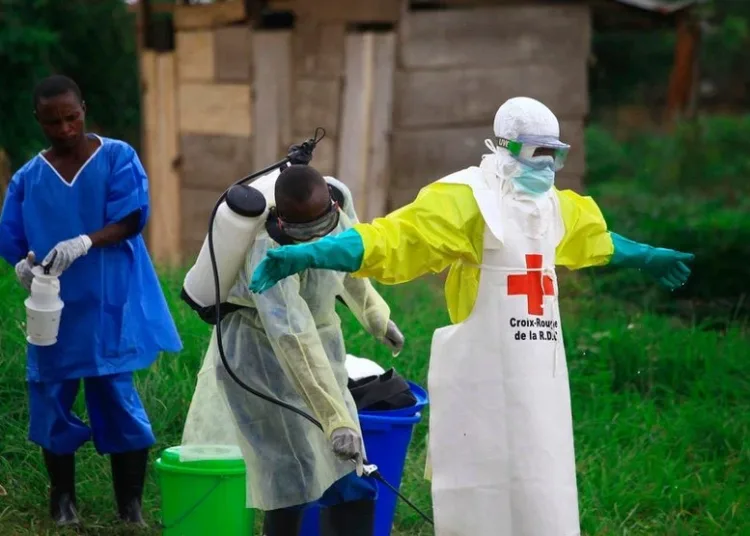
Nigeria's efforts to prevent the spread of Ebola Virus Disease have received a boost after two suspected cases identified in the North-East region tested negative following laboratory investigations.
The development comes after the Nigeria Centre for Disease Control and Prevention (NCDC) announced on Saturday, October 31, 2026, that two individuals had been isolated over symptoms that raised concerns about possible Ebola infection.
The agency immediately commenced contact identification, listing and laboratory testing as part of precautionary measures to establish their infection status and prevent potential transmission.
However, in an update on Sunday, November 1, the NCDC confirmed that both individuals tested negative after two rounds of laboratory testing.
The development means that the two suspected cases have not added to Nigeria's confirmed Ebola infections.
How the Ebola Alert Emerged
The initial alert prompted heightened surveillance across Nigeria's North-East, although the NCDC did not initially disclose the state where the suspected cases were identified.
Health authorities placed both individuals in isolation while samples were collected for laboratory analysis.
The announcement triggered additional preparedness measures across neighbouring states, with health officials strengthening surveillance systems and reviewing emergency response arrangements.
Subsequent reporting identified Adamawa State as the location of the suspected cases. The individuals were admitted to an isolation facility in Yola while investigations continued.
NCDC Confirms Negative Results
NCDC Director-General, Dr Jide Idris, disclosed that the two individuals had undergone two rounds of laboratory testing, with both results returning negative.
He said the agency had worked closely with the Adamawa State Government through its Ministry of Health and Human Services to investigate the alert and strengthen local response operations.
Idris commended the state health authorities for their prompt intervention and urged Nigerians to remain calm.
He also warned against spreading unverified information about suspected Ebola infections, encouraging the public to rely on official health advisories.
North-East States Strengthen Emergency Preparedness
The initial alert prompted several North-East states to review their preparedness.
- Borno State: Health authorities strengthened disease surveillance and emergency response arrangements.
- Taraba State: The government activated its surveillance system and directed public and private healthcare facilities to report suspected cases immediately.
- Gombe State: Authorities confirmed that no suspected cases had been reported locally and said isolation and monitoring facilities were available.
These measures were intended to ensure early detection and rapid intervention should additional suspected infections emerge.
Nigeria's First Confirmed Ebola Case
The latest development follows Nigeria's confirmation of an imported Ebola infection on October 20, 2026.
The index patient was a woman who travelled from Uganda to Abuja and tested positive for the Bundibugyo strain of Ebola.
Following the confirmation, health authorities initiated contact tracing to identify people who might have been exposed.
The patient and her husband were subsequently evacuated to Switzerland on October 26.
The NCDC also reported that six individuals who completed the mandatory 21-day monitoring period without developing symptoms were expected to leave the quarantine facility on November 1.
What Nigerians Should Know About Ebola
Ebola is a serious infectious disease transmitted through direct contact with the blood and bodily fluids of infected people, including deceased victims.
Symptoms may include:
- Fever and severe weakness.
- Headaches and muscle pain.
- Vomiting and diarrhoea.
- Abdominal pain.
- Unexplained bleeding in some cases.
Anyone experiencing compatible symptoms following possible exposure should seek immediate medical attention and disclose relevant travel or contact history.
Avoid direct contact with suspected cases and follow instructions from public health authorities.
Editorial Takeaway
The negative laboratory results from the two suspected cases in Adamawa represent encouraging news for Nigeria's public health response.
However, the development should not lead to complacency.
Nigeria's experience with the imported Ebola case demonstrates the importance of effective border surveillance, hospital preparedness, rapid laboratory testing, contact tracing and transparent communication.
The NCDC and state health authorities must sustain these measures to prevent further transmission and protect vulnerable communities.
The key message: Suspected cases are not confirmed infections. Vigilance, accurate information and early medical intervention remain essential.
Sources and verification
- LEADERSHIP – Original report on two suspected cases and contact tracing
- NCDC update – Two suspected Adamawa cases test negative
- Reuters – Nigeria's two suspected Ebola cases test negative
- Punch – NCDC isolates two suspected cases
Factful24 | Verified Facts. Global Perspectives.