

Crime Related | News
Zamfara Violence Threat: Leadership Calls for Prosecution, Religious Tolerance and National Unity
November 1, 2026
1. What Happened?
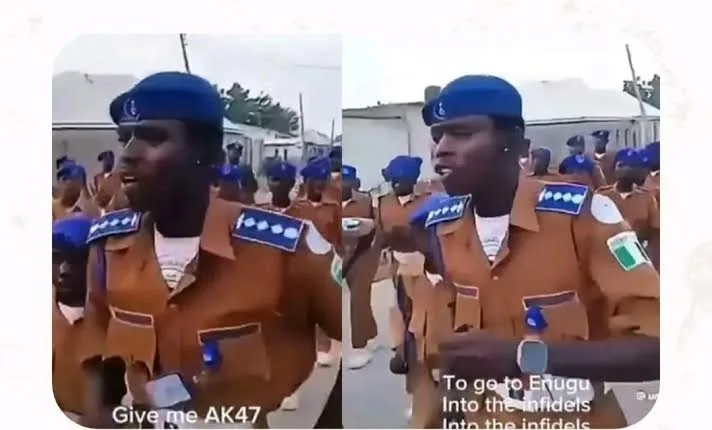
A 22-year-old man from Maradun Local Government Area of Zamfara State, identified by the police as Umar Ibrahim Gandi Maradun, has been arrested following a viral video in which he allegedly called for AK-47 rifles to kill Nigerians in Enugu State and Jos, Plateau State.
The individual was reportedly wearing the uniform of the Jama’atu Izalatil Bid’ah Wa Iqamatus Sunnah (JIBWIS) Volunteer Corps when he made the statements during a public gathering.
The video generated widespread condemnation because of its apparent religious and ethnic implications, particularly against the background of Nigeria's history of communal and religious violence.
LEADERSHIP's November 1 editorial commended the police for the arrest and urged authorities to ensure that the matter receives appropriate legal attention.
2. JIBWIS Condemns the Threat
The national chairman of JIBWIS, Sheikh Bala Lau, reportedly condemned the statements shortly after the video circulated.
He called on security agencies to investigate the incident, identify those responsible and ensure that anyone found culpable faces the law.
The editorial stressed that the individual's statements should not be interpreted as representing the views of Nigeria's Muslim population.
It also emphasized that Islam does not support violence against innocent people.
3. Why the Incident Raises National Security Concerns
Nigeria continues to face insecurity involving banditry, terrorism, communal clashes and religiously motivated violence.
The editorial highlighted the contradiction of someone from Zamfara, a state that has suffered prolonged banditry, allegedly calling for weapons to attack innocent people in other parts of the country.
It argued that threats of violence against Nigerians based on religious identity could worsen existing tensions and undermine national unity.
4. Education, Youth Unemployment and Religious Intolerance
The newspaper also raised concerns about the wider social conditions that can contribute to dangerous rhetoric among young people.
It identified:
- Poor access to quality education.
- Youth unemployment and poverty.
- Weak critical-thinking skills.
- Religious intolerance and extremism.
- Inadequate understanding of Nigeria's history.
The editorial called on religious leaders to intensify efforts to promote peaceful coexistence, mutual respect and tolerance across religious communities.
5. Legal and Constitutional Implications
Nigeria's Constitution guarantees freedom of thought, conscience and religion under Section 38.
However, constitutional protection for religious freedom does not provide a licence to threaten or incite violence against others.
The editorial specifically called for the application of Sections 95 and 96 of the Penal Code, arguing that anyone found guilty should face appropriate legal consequences.
The actual charges and applicable penalties will depend on the evidence, jurisdiction and relevant legal provisions.
6. Factful24 Analysis
This incident raises questions beyond the arrest of one individual.
Nigeria's security challenges are already complicated by banditry, terrorism, communal violence and longstanding religious tensions. Public calls to attack people because of their religious identity risk creating additional divisions.
Three issues deserve particular attention:
1. Accountability: Security agencies must investigate threats of violence thoroughly and ensure that prosecutions follow due process.
2. Religious leadership: Religious institutions should actively discourage extremist rhetoric and promote peaceful coexistence.
3. Youth development: Education, employment opportunities and civic awareness are important in addressing the conditions that can make extremist messaging attractive.
It is equally important to avoid collective blame. The alleged statements of one individual should not be attributed to an entire religious community or ethnic group.
Factful24 Takeaway
Nigeria cannot afford to normalize threats of violence against citizens because of their religion, ethnicity or place of origin.
The arrest in Zamfara presents an opportunity for law enforcement, religious institutions and community leaders to reinforce the importance of peaceful coexistence, accountability and national unity.
Freedom of religion must coexist with the right of every Nigerian to live without fear of persecution or violence.
Original source: LEADERSHIP – That Threat Of Violence From Zamfara.
Editorial disclaimer: This report distinguishes allegations, reported statements and editorial opinions from established judicial findings.