

News
Federal Government Sets 5,000 Annual Mortgage Target By 2028, Raises Maximum Housing Loan To ₦85m
Housing & Development | November 2, 2026
Nigeria’s Federal Government has announced plans to increase access to affordable homeownership, targeting 5,000 mortgage loans annually by 2028 while raising the maximum mortgage facility available through the Federal Mortgage Bank of Nigeria (FMBN) from ₦50 million to ₦85 million.
The initiative is part of a broader mortgage-sector reform designed to make housing finance more accessible, improve the country's homeownership rate and address its growing housing deficit.
Government Targets 5,000 Mortgages Annually
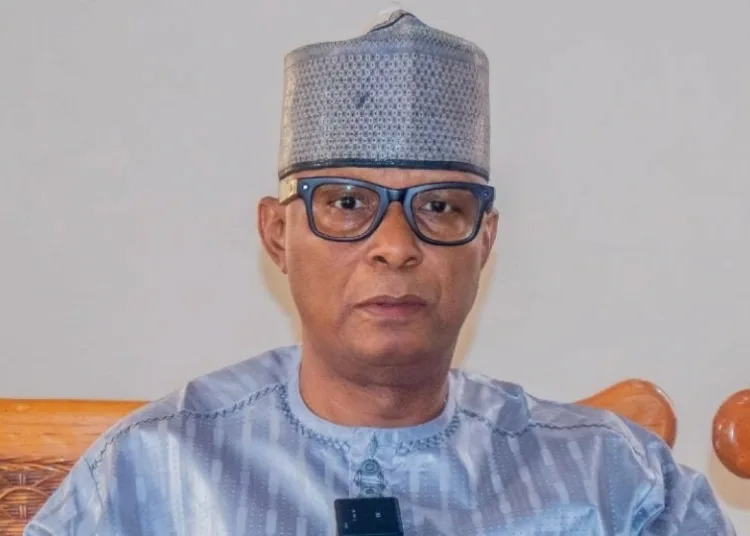
The Minister of Housing and Urban Development, Muttaqha Rabe Darma, announced the target during the launch of the Federal Mortgage Bank of Nigeria's new non-interest mortgage financing product in Kano.
The product, known as Ijarah Muntahia Bittamleek, operates through a lease-to-own arrangement, offering an alternative to conventional interest-based mortgage financing.
According to the minister, the 5,000 annual mortgage target is contained in the National Mortgage Industry Policy issued by the ministry in July 2026.
Under the policy, the Federal Mortgage Bank is expected to deliver 2,000 mortgages in 2026 as an initial step towards achieving the 2028 target.
The bank is also expected to channel at least 40 per cent of its annual National Housing Fund (NHF) collections into mortgage financing.
Maximum Mortgage Loan Increased To ₦85 Million
One of the major changes under the new policy is the increase in the maximum mortgage loan limit from ₦50 million to ₦85 million.
The government also plans to simplify the mortgage application process by reducing documentation requirements to eight documents and ensuring applications are processed within 30 working days.
Another key objective is to expand participation in the National Housing Fund, increasing membership from more than six million contributors to 10 million by 2028.
The policy further provides that between 30 and 40 per cent of mortgage bookings should be allocated to workers in the informal sector, including traders, artisans and transport operators.
This is intended to extend housing finance opportunities beyond formal-sector employees who traditionally have easier access to structured mortgage arrangements.
New Non-Interest Mortgage Scheme Introduced
Explaining the new financing arrangement, Darma said eligible National Housing Fund contributors would be able to occupy houses through a lease agreement and make agreed rental payments over a specified period before ownership is transferred to them.
The minister stressed that the scheme is open to all eligible Nigerians, regardless of religious affiliation.
The initiative is expected to provide an alternative for people who prefer not to participate in conventional interest-based mortgage arrangements.
FMBN Managing Director, Shehu Osidi, disclosed that a housing project in Bichi, Kano State, had been selected for the pilot implementation of the scheme.
The Kano State Government welcomed the initiative, describing it as an important development that could improve access to affordable housing and help reduce the state's housing shortage.
Nigeria's Housing Deficit Remains a Major Challenge
The minister disclosed that the government had validated a national housing deficit of approximately 15 million units in collaboration with 19 states and eight professional bodies.
The scale of the deficit highlights the challenge facing policymakers as population growth, urbanization, construction costs and limited access to affordable financing continue to put pressure on the housing market.
While the new mortgage policy introduces ambitious targets, its success will depend on the availability of affordable housing units, effective implementation, sustainable financing and the ability of ordinary Nigerians to meet mortgage repayment requirements.
What The Policy Could Mean for Nigerians
The proposed reforms could create new opportunities for Nigerians seeking to own homes, particularly low- and middle-income earners who struggle to access conventional mortgage facilities.
The inclusion of informal-sector workers is particularly significant because many traders, artisans and self-employed Nigerians have historically faced difficulties accessing formal housing loans.
The non-interest mortgage option could also attract additional NHF contributors who previously avoided conventional interest-based financing.
However, increasing the mortgage ceiling to ₦85 million does not automatically make housing affordable. The cost of properties, repayment terms, income requirements, land ownership processes and access to completed houses will remain critical factors.
The government will therefore need to demonstrate that the policy can translate into actual homeownership rather than simply increase mortgage targets.
Key Figures at A Glance
| Policy target | Government plan |
| Annual mortgages by 2028 | 5,000 |
| Mortgage target for 2026 | 2,000 |
| Maximum mortgage facility | ₦85 million |
| Previous mortgage ceiling | ₦50 million |
| NHF membership by 2028 | 10 million |
| Informal-sector mortgage allocation | 30–40% |
| Application processing target | 30 working days |
| Validated housing deficit | 15 million units |
Note:
Nigeria's housing crisis cannot be solved by constructing buildings alone. Millions of citizens also need access to financing that matches their income levels and financial circumstances.
The Federal Government's mortgage reforms represent an important policy direction, particularly the proposed inclusion of informal-sector workers and the introduction of non-interest financing.
But the real measure of success will be how many Nigerians eventually receive affordable homes, how transparent the application process becomes and whether mortgage repayments remain within the reach of ordinary households.
The question is no longer just how many mortgages the government plans to deliver, but how many Nigerians can realistically afford to become homeowners.
Source: https://leadership.ng/federal-govt-targets-5000-mortgages-annually-by-2028-minister/