

Security
Nigerian Troops Kill Top ISWAP Shura Council Member, Senior Commander in Borno
Security News | November 2, 2026
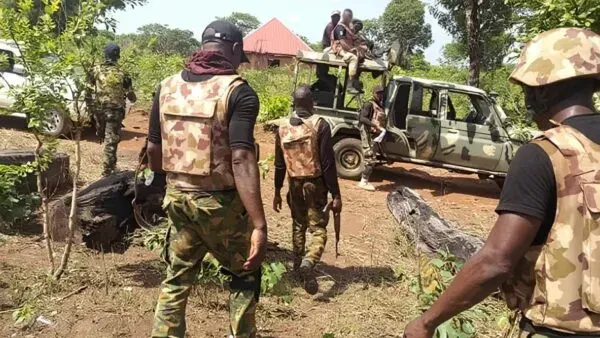
Nigerian troops operating under Operation Hadin Kai have reportedly dealt a major blow to the leadership structure of the Islamic State West Africa Province (ISWAP), killing a senior Shura Council member, a prominent commander and several other fighters during an encounter in Kukawa Local Government Area of Borno State.
The military identified the senior ISWAP figures killed as Abu Hajara, a member of the group's Shura Council, and Abul Walid, a senior commander reportedly associated with Ba Shuwa, ISWAP's overall Wali.
Two other high-ranking Arab fighters were also reportedly killed during the operation, which took place on October 31, 2026.
According to the military, the encounter followed an attempted assault on troops' positions in Kukawa. Nigerian forces responded with a combination of ground operations and air support, successfully repelling the attack.
Captain Mohammed Goni, Acting Media Information Officer of the Joint Task Force (North-East), disclosed the development in a statement issued on Sunday, November 1.
Troops Recover Weapons and Communication Equipment
Following the engagement, troops reportedly recovered several weapons, ammunition and communication devices.
The military described the operation as a significant setback for ISWAP, saying it demonstrated the operational readiness and firepower of troops deployed across the North-East.
The development comes amid intensified military operations targeting insurgent networks, their commanders, supply routes and operational bases in the Lake Chad region.
Buni Yadi Operation: 55 Terrorists Reportedly Killed
The Kukawa operation followed another major military engagement in Buni Yadi, Yobe State, approximately three days earlier.
According to the military, 55 terrorists were neutralised during that operation. Those identified among the casualties included:
- Ali Mandara Abba Gajiri, also known as Munzir.
- Habu Ikkima Nakif Yana Faruk.
- Commander Gogore.
The military said the successive operations were part of its broader campaign to weaken insurgent leadership, disrupt terrorist networks and prevent further attacks across the North-East.
Why The Killing of Senior ISWAP Figures Matters
The reported killing of Abu Hajara and Abul Walid could have important implications for ISWAP's operational structure.
1. Possible disruption of the group's leadership: The reported death of a Shura Council member could weaken internal coordination and strategic decision-making.
2. Pressure on operational commanders: The loss of a senior commander reportedly connected to ISWAP's overall leadership could disrupt communication and operational planning.
3. Increased military pressure: The successive engagements in Kukawa and Buni Yadi suggest sustained efforts by Nigerian forces to dismantle insurgent networks.
4. Security challenges remain: Despite reported military successes, the North-East continues to face threats from insurgent attacks, requiring sustained operations, intelligence gathering and protection of vulnerable communities.
It is important to note that the identities and casualty figures in this report are based on military statements and have not been independently verified.
Military Reaffirms Commitment To Restoring Security
The Theatre Command of Operation Hadin Kai reaffirmed its commitment to protecting civilians and sustaining operations against terrorist groups in the North-East.
The military also assured residents that troops would continue applying pressure on insurgents and targeting their camps and operational networks.
The ultimate objective, according to the military, remains the restoration of lasting peace and security across the region.
Note:
The reported killing of senior ISWAP figures represents a potentially significant development in Nigeria's counterterrorism campaign. However, eliminating commanders alone will not permanently end insurgency.
Sustainable security will also depend on disrupting terrorist financing, cutting off weapons supplies, strengthening intelligence networks, protecting civilian populations and addressing the conditions that allow extremist groups to recruit.
For communities in Borno and the wider North-East, the real measure of military success will ultimately be safer communities, returning displaced families, restored economic activities and lasting peace.