

News
Tinubu Celebrates Sultan of Sokoto at 20, Praises His Role in Promoting National Unity
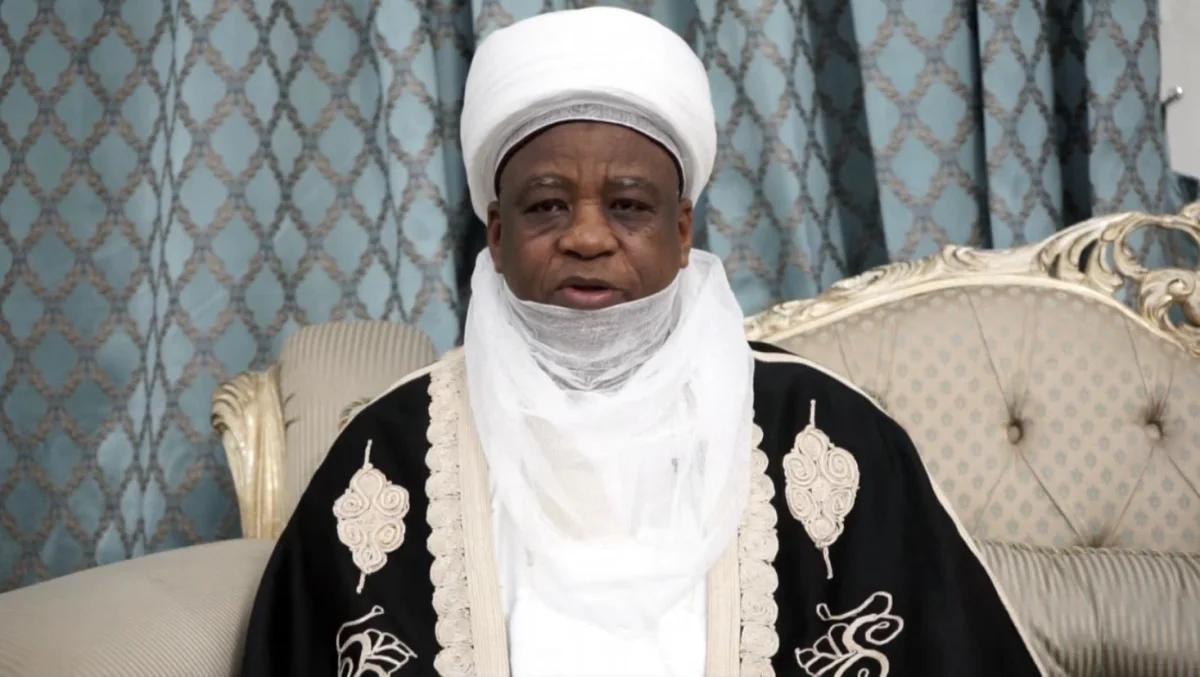
President Bola Ahmed Tinubu has congratulated the Sultan of Sokoto, Alhaji Muhammad Sa’ad Abubakar III, on completing 20 years on the throne, praising his contributions to national unity, religious tolerance and peaceful coexistence in Nigeria.
In a congratulatory message issued on Monday, November 2, 2026, the President described the traditional ruler as a respected moral authority, a bridge between religious communities and an influential voice in Nigeria's national affairs.
Tinubu said the Sultan had spent two decades preserving the historical heritage of the Sokoto Caliphate while using the institution to advance peace, national cohesion and development.
According to the President, the monarch's leadership has demonstrated the importance of dialogue, moderation and mutual understanding in a country characterised by religious, ethnic and cultural diversity.
Promoting Religious Harmony and Peace
The President particularly acknowledged the Sultan's contributions as President-General of the Nigerian Supreme Council for Islamic Affairs (NSCIA) and Co-Chairman of the Nigeria Inter-Religious Council (NIREC).
He noted that the Sultan had consistently advocated religious tolerance and cooperation between Christians and Muslims, encouraging Nigerians to see their differences as opportunities for national strength rather than sources of division.
Tinubu also commended the monarch's peacebuilding interventions in Northern Nigeria and across the Sahel, where insecurity and communal tensions have continued to challenge stability.
He further highlighted the Sultan's advocacy for girl-child education, support for farmers, public health initiatives and efforts to assist poor and vulnerable members of society.
The President described these contributions as evidence of a people-centred traditional leadership approach.
Tinubu Acknowledges Personal Relationship With Sultan
Beyond the Sultan's traditional and religious responsibilities, Tinubu also acknowledged the personal relationship between both men.
He described the monarch's counsel as honest, patriotic and consistently guided by Nigeria's national interest.
The President expressed appreciation for the Sultan's support and prayers for the country, while wishing him continued good health, long life and wisdom.
He also prayed that the monarch's reign would continue to bring peace to Sokoto, unity to Nigeria and honour to the Muslim community.
Sultan Marks Two Decades on the Throne
Alhaji Muhammad Sa’ad Abubakar III ascended the throne on November 2, 2006, becoming the 20th Sultan of Sokoto following the death of his predecessor and elder brother, Sultan Muhammadu Maccido.
His emergence followed the October 29, 2006, ADC Airlines Flight 53 crash, which claimed the life of Sultan Maccido and his son, Senator Badamasi Maccido.
Before becoming Sultan, Abubakar served in the Nigerian Army, rising to the rank of Brigadier-General. His military career included service in international peacekeeping operations.
Over the past two decades, he has remained an influential figure in traditional institutions, Islamic affairs, interfaith engagement and national conversations on peace and security.
His 20th anniversary has also been marked by activities in Sokoto, including the unveiling of a book examining the legacy of Islamic scholar Shaykh Uthman dan Fodio and his flagbearers.
Factful24 Analysis: Why the Sultan's 20-Year Milestone Matters
The Sultan's anniversary comes at a time when Nigeria continues to grapple with insecurity, religious tensions, economic hardship and declining public confidence in some national institutions.
Traditional institutions remain important in bridging gaps between government and communities, particularly where political authorities struggle to build trust.
The Sultan's position gives him an opportunity to encourage dialogue, promote peaceful coexistence and influence public conversations beyond religious boundaries.
However, national unity requires more than goodwill messages and ceremonial recognition. It also demands practical commitments from political leaders, religious institutions and community stakeholders to address insecurity, poverty, discrimination and unequal opportunities.
The recognition of the Sultan's two decades on the throne therefore offers an opportunity to reflect on the importance of credible traditional leadership in strengthening Nigeria's social cohesion.
Note
Nigeria's diversity should be a source of national strength, not division. As the Sultan of Sokoto marks 20 years on the throne, the bigger challenge remains translating calls for unity, religious tolerance and peaceful coexistence into measurable progress for ordinary Nigerians.
Sources: Leadership Newspaper | The State House, Abuja | Premium Times.