

Politics
Tinubu and the Opposition: Seven Political Battlegrounds Ahead of the 2027 Election
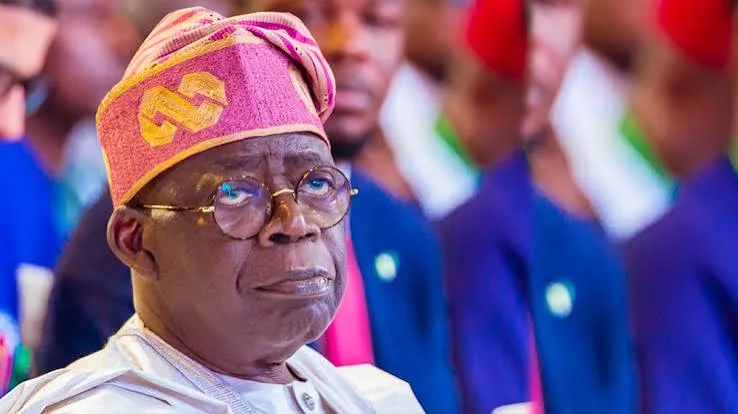
With the 2027 General Elections fast approaching, President Bola Tinubu will face a number of challenges that will play a key role in determining his chance of winning a second term in office. These will include:
Seven Challenges
- Economy, Insecurity & Unkept Political Promises
Which candidate/party can convince Nigerians that they can improve their quality of life?
Voters are likely to place great emphasis on practical issues such as food inflation, transportation costs, employment opportunities, electricity, insecurity, purchasing power and public services to decide which party to vote for. The Tinubu camp need to be able to show concrete results from the policies they have put in place. Similarly, opposition candidates need to be able to clearly put forward viable and financially feasible policies.
Watch out for: Will Nigerians feel improvements are being made? Are security and cost of living issues being tackled by opposition candidates? Are promises being made that are seen as viable?
2. Wike’s Rainbow Coalition & APC Cohesion
Can the President get votes from opposition politicians without undermining the APC?
Nyesom Wike (Minister of FCT) is pushing the Rainbow Coalition agenda which brings together a group of multi-party politicians to gain support for Tinubu. This has caused some tension between the APC Governors and supporters as members are able to vote for candidates from other parties in gubernatorial and legislative elections. It has been reported that Wike, Ademola Adeleke (Governor of Osun) and Chukwuma Soludo (Governor of Anambra) were added to Tinubu’s campaign team.
Whilst this may help strengthen Tinubu’s position in areas where the APC lacks strong control, it may cause confusion for local APC candidates.
Watch out for: Is the Rainbow Coalition helping Tinubu? How are APC stakeholders reacting? Can members of the Rainbow Coalition still work for their parties in other elections whilst supporting the President?
3. Northern Nigeria
Northern Nigeria is a key area to watch due to the size of the electorate, as well as the diversity of the area. Key states to look out for include Kano, Kaduna, Katsina, Borno, Sokoto and Bauchi.
Tinubu must protect the gains they’ve made within the APC during 2023, but will be looking to gain new support. Atiku Abubakar will look to strengthen and gain more support within the North, whilst Peter Obi and other opposition candidates will look to increase their support.
However it is important to note that this is not a one vote bloc. There are many factors to consider such as party allegiance, religious beliefs, ethnic divides, local allegiances, insecurity and economy which can lead to very different results in each state.
Watch out for: Campaigning in Kano/Kaduna. Influence of political leaders. Can opposition parties gain support across the North?
4. South-West
This is a key area for Tinubu and the APC. However this does not mean it is safe.
Opposition parties may capitalise on the economic issues, local issues and poor governance to weaken APC dominance. Political ambitions of high profile individuals from the South-West such as Seyi Makinde (Governor of Oyo State) could also be a factor.
Watch out for: Is Lagos still a safe vote for the APC? Are opposition parties gaining support in Oyo and other states? How will local political issues affect the President?
5. INEC
One of the main challenges the Independent National Electoral Commission will face is to ensure the election is run fairly, openly and peacefully.
There have been many concerns raised by opposition figures regarding the election being open. Parties will need to ensure their votes are protected through legal monitoring, accurate collation and using the available avenues to resolve any issues. The whole process from timetable, voter registration, accreditation, results submission, campaign monitoring and addressing complaints will be watched closely.
Watch out for: Is INEC prepared? Voter registration and accreditation. Accurate collation of results. Election security. Monitoring of campaigning. Addressing of complaints.
6. South-East & South-South
Tinubu and the APC will face a major challenge due to Peter Obi’s success in 2023.
Obi won all five states in the South-East under the Labour Party banner, as well as states like Delta and Akwa Ibom. Will he be able to keep this support in 2027? Or will Tinubu be able to gain some ground through alliances and influential powerbrokers in states? The South-South is an important area to watch due to the diverse political landscape. Tinubu won Rivers and Cross River in 2023. Obi and other opposition candidates did well in other areas.
Watch out for: Can Obi keep his core supporters? Influence of Governors and local powerbrokers. Can the APC increase their presence?
7. International Support
The political leadership will also face challenges in proving the election will be a fair, open and peaceful event.
The European Union have confirmed that they will send a 2-4 member Electoral Expert Mission. ECOWAS held pre-election consultations in late October 2026. The International Republican Institute released an assessment in August highlighting concerns around the fragmented opposition, election violence, vote buying and lack of public confidence.
Tinubu’s government must prove that the election will be a fair, open and competitive event. Opposition parties will be looking to ensure they are able to campaign without issues.
Watch out for: International assessments. Diplomatic relations with government and opposition. Fairness of the election. Reaction to concerns.