

United States | News
Abdul El-Sayed Defeats Mike Rogers in Michigan, Delivers Major Setback to Republicans in US Senate Race
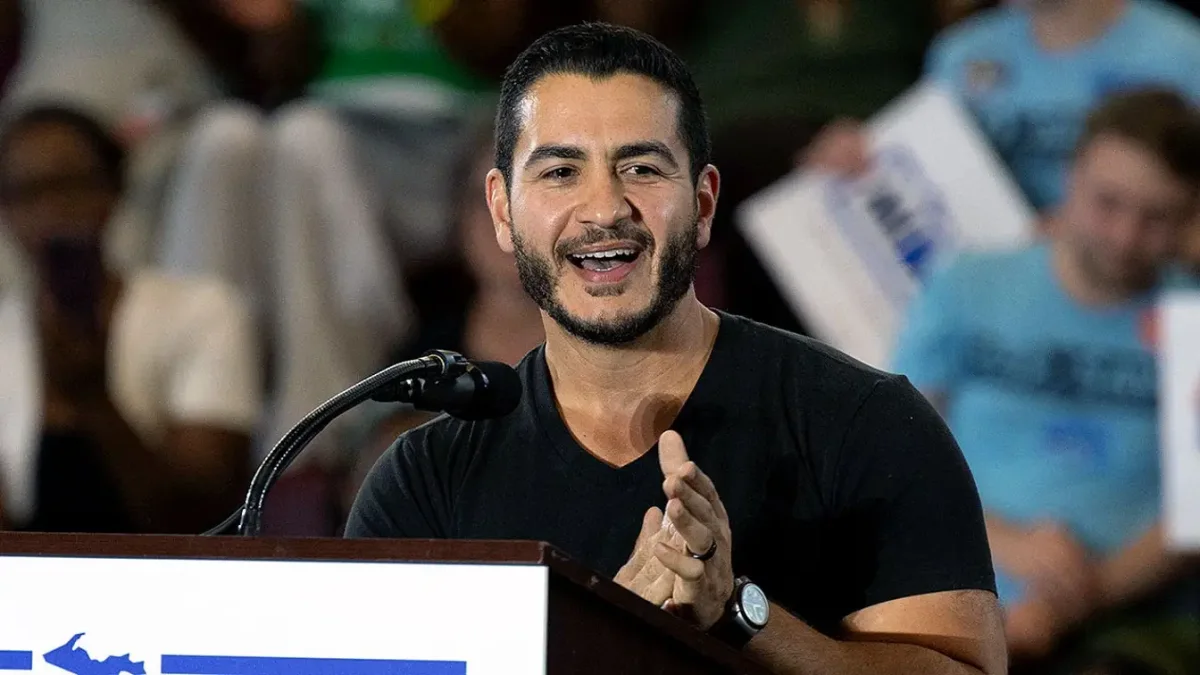
ELECTION RESULT PROJECTED – NOVEMBER 4, 2026
Sub-headline: The Democratic progressive's victory keeps Michigan's Senate seat in Democratic hands, marks a historic milestone for Muslim representation in American politics and delivers a significant setback to Republican efforts to expand their Senate strength.
International News Report
DETROIT, MICHIGAN — Democratic candidate Abdul El-Sayed has defeated Republican Mike Rogers in Michigan's closely watched US Senate election, delivering a major setback to the Republican Party and securing a historic political milestone as the first Muslim elected to the United States Senate.
The Associated Press called the race for El-Sayed in the early hours of Wednesday, November 4, following a fiercely contested campaign that attracted national attention, substantial political spending and direct involvement from prominent figures in both political parties.
The victory allows Democrats to retain the Michigan Senate seat previously held by retiring Democratic Senator Gary Peters, preventing Republicans from gaining the seat they had targeted as part of their broader effort to strengthen their position in the upper chamber of Congress.
Fox News+2
A Historic Political Achievement
El-Sayed, 42, is a physician by training and a former Michigan public health official. His election represents a significant moment in American political representation.
Born to Egyptian immigrant parents, he is set to become the first Muslim member of the US Senate.
His campaign centered on healthcare affordability, economic inequality, reducing corporate influence in politics and expanding access to government-funded healthcare.
One of his most prominent proposals was Medicare for All, a single-payer healthcare system that would replace much of the existing mix of private and public health insurance.
El-Sayed also called for stronger regulation of artificial intelligence companies and greater accountability for major corporations.
His victory demonstrates that a progressive candidate can secure support in a politically competitive state despite facing opposition from sections of the political establishment.
Michigan Public+2
A Campaign Marked by Political Attacks and Internal Divisions
The Michigan Senate contest became one of the most contentious races of the 2026 midterm elections.
Republicans, including President Donald Trump, repeatedly criticized El-Sayed over his political positions, comments concerning Israel and alleged connections to extremist organizations.
El-Sayed rejected allegations linking him to the Muslim Brotherhood, insisting that he had never been a member of the organization.
Trump also used inflammatory language against the Democratic candidate during campaign appearances, while Republican candidate Mike Rogers questioned El-Sayed's positions on national security and his criticism of US support for Israel.
The campaign also exposed divisions within the Democratic Party.
Representative Haley Stevens, whom El-Sayed defeated in the Democratic primary, publicly endorsed Rogers shortly before Election Day, highlighting disagreements over Israel, political messaging and the direction of the Democratic Party.
Despite these controversies, El-Sayed maintained his campaign around domestic economic concerns, particularly rising living costs and healthcare access.
Fox News+2
Campaign Spending and the Influence of Outside Money
Financial resources played a significant role in the Michigan contest.
The Democratic primary and subsequent general election attracted substantial spending from outside political organizations.
According to the Associated Press, the American Israel Public Affairs Committee (AIPAC) spent nearly $30 million opposing El-Sayed during the Democratic primary, making it one of its largest investments in a single electoral contest.
El-Sayed made opposition to outside political spending a central part of his campaign messaging, presenting his candidacy as a challenge to the influence of wealthy donors and powerful political interests.
In his victory speech, he referred to the financial opposition his campaign encountered and credited grassroots supporters for helping him overcome it.
Michigan Public+1
What the Victory Means for Republicans and Democrats
The result carries implications beyond Michigan.
For Republicans, losing the opportunity to capture the open Senate seat represents a setback in their efforts to consolidate congressional power during the Trump administration.
For Democrats, El-Sayed's victory provides an important boost to the party's progressive wing, particularly as debates continue over healthcare, economic inequality, corporate influence and US foreign policy.
His election may also strengthen progressive arguments ahead of the 2028 presidential election, although it does not automatically resolve divisions between moderate and progressive Democrats.
The contest also demonstrates how national political controversies, including the economy, foreign policy, immigration-related rhetoric and public confidence in the administration, can shape individual state elections.
Reuters+2
The Bigger Picture: Representation, Identity and American Democracy
Beyond party politics, El-Sayed's projected victory has historic significance for religious and cultural representation in American public life.
His election breaks a longstanding barrier in the composition of the US Senate, while highlighting the growing visibility of Muslim Americans in national political institutions.
However, the campaign also exposed the challenges faced by candidates whose religious identity becomes a central subject of political debate.
The outcome raises important questions about political representation, religious freedom, campaign financing and the boundaries of acceptable political discourse in an increasingly polarised American society.
Ultimately, Michigan's Senate election was not simply a contest between two candidates. It became a broader national debate about the economy, political identity, foreign policy and the future direction of the two major American political parties.
Reporting note: The Associated Press and other major outlets reported the result as a projected victory on November 4, 2026. This report does not describe the result as formally certified.
Factful24 Editorial Note
Abdul El-Sayed's victory represents more than a Democratic hold on a Senate seat. It highlights the intersection of economic concerns, political identity, campaign financing and ideological divisions in contemporary American politics.
For Republicans, the result raises questions about their campaign strategy in competitive states. For Democrats, it offers a fresh opportunity to examine whether progressive policies can attract broader electoral support without deepening internal party divisions.
The most important question now is whether El-Sayed can translate his campaign promises into legislative action once he takes his seat in Washington.
Sources and verification
Fox News – Original election report
Reuters – El-Sayed becomes first Muslim elected to US Senate