

United States | News
Abdul El-Sayed Makes History, Defeats Mike Rogers in Michigan Senate Race
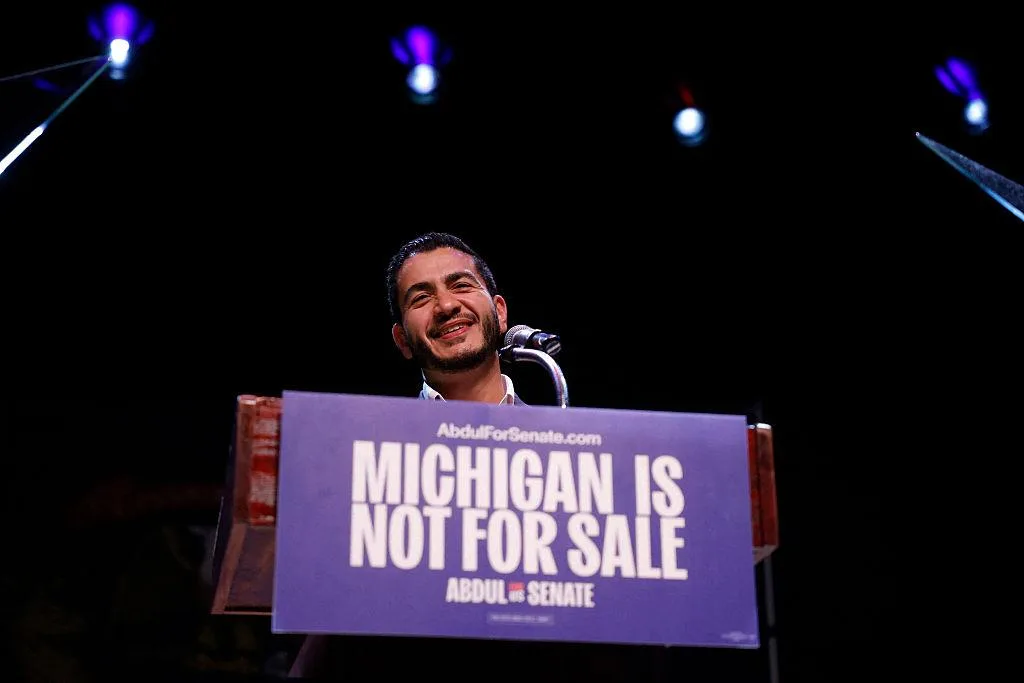
ABDUL EL-SAYED DEFEATS MIKE ROGERS IN MICHIGAN SENATE RACE, BECOMES FIRST MUSLIM ELECTED TO US SENATE
Democrat Abdul El-Sayed has defeated Republican candidate Mike Rogers in Michigan's closely watched US Senate election, securing a major victory for the Democratic Party and making history as the first Muslim elected to the United States Senate.
According to Associated Press projections, El-Sayed secured approximately 52 per cent of the vote against Rogers' 46 per cent, overcoming a contentious campaign marked by internal Democratic Party disagreements, intense political attacks and substantial outside campaign spending.
The victory comes after a turbulent election season in which El-Sayed faced resistance from sections of his own party over his progressive political positions, particularly his criticism of Israel and his association with controversial political commentator Hasan Piker.
The dispute became particularly public when Democratic Representative Haley Stevens, whom El-Sayed defeated in the August primary, unexpectedly endorsed Rogers just two days before Election Day.
Stevens had expressed concerns about El-Sayed's political associations and his handling of controversies surrounding Israel and antisemitism.
Despite the internal divisions, El-Sayed maintained his candidacy and secured support from prominent progressive figures, including Senator Bernie Sanders and Representative Alexandria Ocasio-Cortez.
His campaign centered on proposals including Medicare for All, higher taxes on wealthy Americans, abolishing Immigration and Customs Enforcement (ICE), and ending US military assistance to Israel.
Rogers, a former Republican congressman, attempted to make national security and El-Sayed's foreign-policy positions central issues in the campaign. He also sought to associate his opponent with controversial statements made by political figures who had appeared alongside him.
El-Sayed rejected allegations questioning his loyalty to the United States and denied any membership or association with the Muslim Brotherhood.
The Michigan contest attracted national attention because the seat was vacated by retiring Democratic Senator Gary Peters and was considered important to the wider battle for control of the US Senate.
With his victory, El-Sayed enters the Senate as a significant figure within the Democratic Party's progressive wing, while his historic election adds a new dimension to religious and political representation in American national politics.
Political background and significance
Three important developments emerge from this election:
- Progressive politics: El-Sayed's victory gives progressive Democrats another prominent platform to advance policies on healthcare, taxation, immigration and foreign policy.
- Democratic Party divisions: The public disagreement between El-Sayed and Haley Stevens demonstrates the tensions within the party over ideological direction, Israel policy and political alliances.
- Religious representation: His election marks a historic milestone for Muslim representation in the United States Senate.
What happens next?
El-Sayed's election will bring attention to how he approaches legislative negotiations, healthcare reform, immigration policy and US foreign relations.
His ability to work with Democrats holding different ideological positions will also be an important aspect of his Senate career.
The election is particularly significant as both major American political parties assess their direction following the November 2026 midterm elections.
Editorial verification note: The figures above are election-night projections reported on November 4, 2026, not independently confirmed final certified results. The article should retain that distinction until certification.
Sources for editorial records: