The United States is marking the 25th anniversary of the September 11, 2001 terrorist attacks, remembering the nearly 3,000 people who were killed and reflecting on a quarter-century of consequences that reshaped American society, global security and international politics.
On September 11, 2001, hijacked passenger aircraft were used in attacks against the World Trade Center in New York and the Pentagon, while a fourth aircraft, United Airlines Flight 93, crashed in Pennsylvania after passengers and crew attempted to regain control of the plane.
A generation that knows 9/11 only as history
One of the defining features of this year's anniversary is that an entire generation has now grown up without personal memories of the attacks.
People born around or after 2001 have learned about 9/11 primarily through their families, schools, documentaries and the internet. Reuters spoke with young adults in the United States, India, Germany and elsewhere about how an event they never witnessed has nevertheless shaped their understanding of security, war and America's role in the world.
The human cost continues
The consequences of 9/11 did not end when the towers collapsed.
Thousands of firefighters, police officers, construction workers and other responders were exposed to toxic dust and hazardous materials during the rescue and cleanup operation.
The U.S. government's World Trade Center Health Program now serves more than 150,000 responders and survivors suffering from illnesses associated with the attacks and their aftermath. More than 9,000 people tracked by the programme have died since 9/11, although officials caution that determining how much of that mortality is directly attributable to 9/11-related exposure is difficult.
Smithsonian displays rarely seen 9/11 artifacts
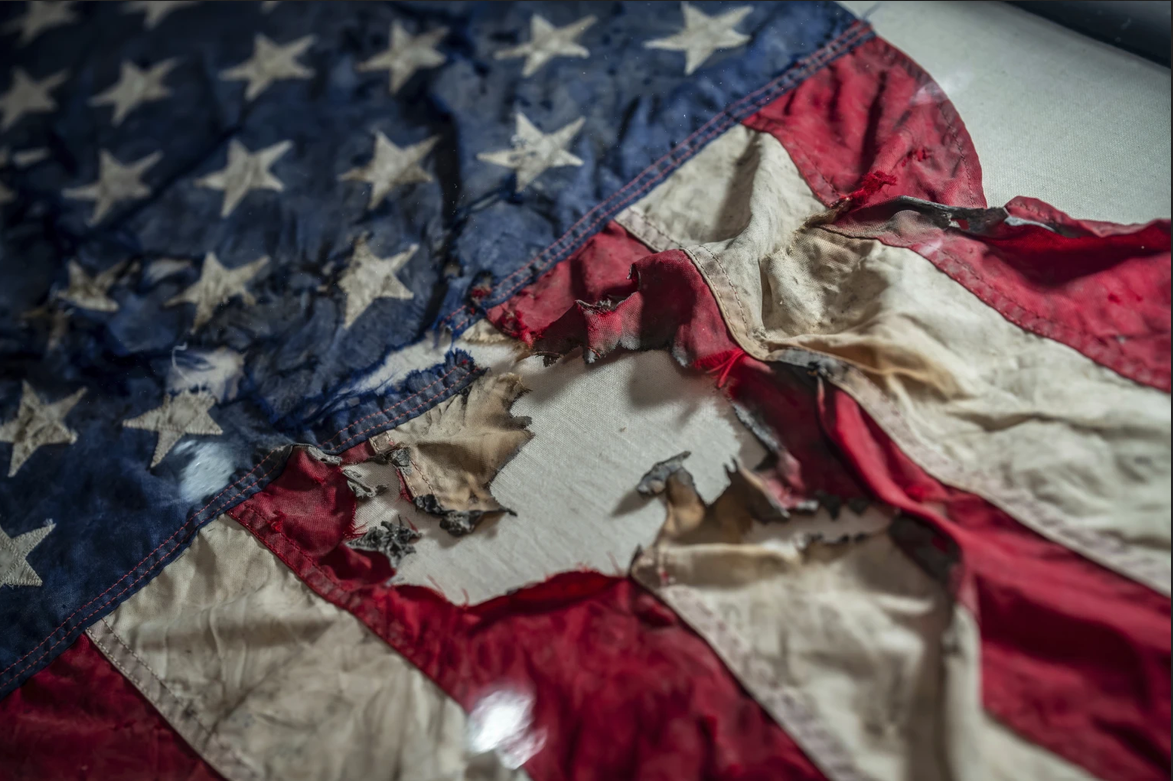
To commemorate the anniversary, the Smithsonian's National Museum of American History is displaying dozens of rarely exhibited objects connected to the attacks.
Among them are seat belts and a flight-attendant call button from Flight 93, personal belongings recovered from the World Trade Center and the telephone used by Barbara Olson when she called her husband from a hijacked aircraft.
The museum says some of the objects are so fragile that they may never be displayed again.
🇺🇸 Trump joins commemorations
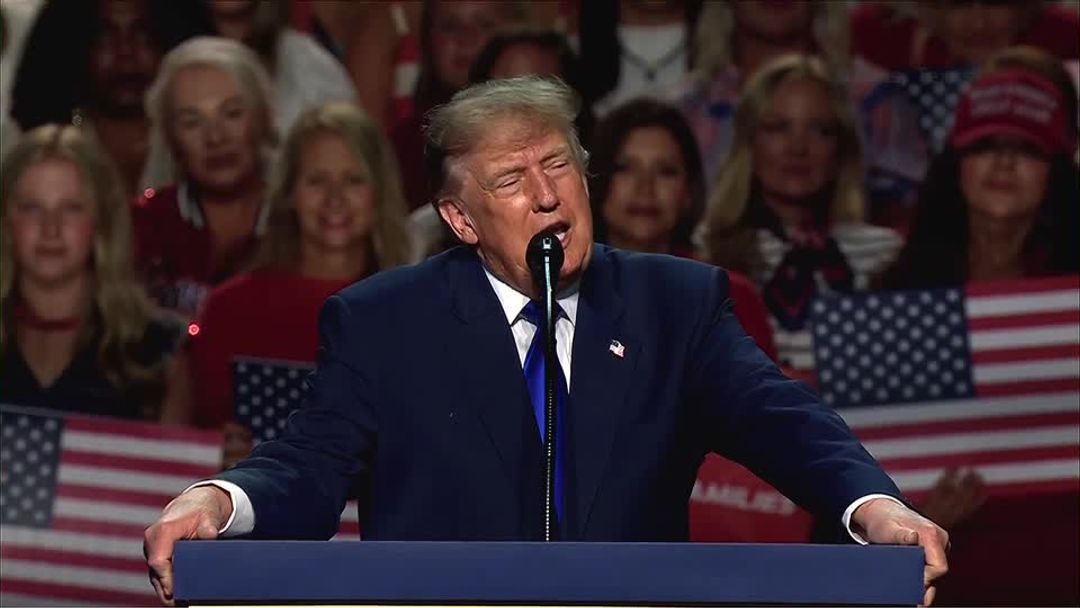
President Donald Trump has participated in events leading up to today's anniversary.
At an event at the Ellipse outside the White House on September 8, Trump honoured victims and first responders and pledged that America would "never forget" the attacks. A 21-foot steel beam recovered from the South Tower was displayed during the ceremony.
Further commemorations are taking place in New York, Washington and Pennsylvania, including events involving victims' families, first responders and government officials.
How 9/11 changed the world
The attacks fundamentally changed international security.
The United States launched the War in Afghanistan, later invaded Iraq, dramatically expanded airport security and intelligence operations, and created the Department of Homeland Security.
The aftermath also influenced immigration policy, surveillance, counterterrorism operations and military strategy around the world.
Reuters notes that the wars that followed 9/11 resulted in more than 900,000 deaths, primarily in Iraq and Afghanistan.
A legacy still shaping U.S. policy
Twenty-five years later, debates over America's post-9/11 military strategy remain highly relevant.
A Reuters analysis argues that U.S. defence spending and military planning continue to carry the imprint of the post-9/11 era, while modern conflicts involving drones, cyberwarfare and asymmetric tactics are challenging traditional military approaches.
Sources: Reuters, Associated Press and Smithsonian National Museum of American History.