Factful24 Loading

Latest News

Stories shaping today's conversations.

Explore breaking news, insightful reporting and stories across every category.

Dangote Refinery Launches Africa’s Biggest-Ever IPO
Business | Public Interest

Dangote Refinery Launches Africa’s Biggest-Ever IPO

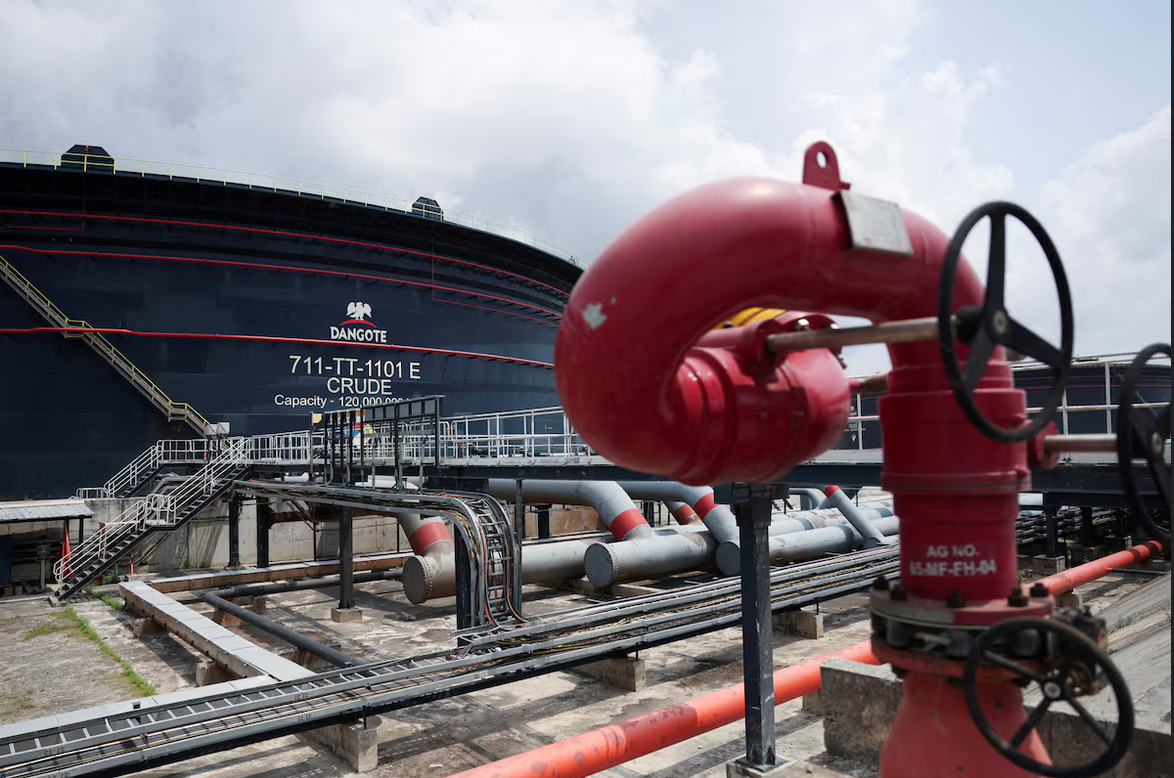
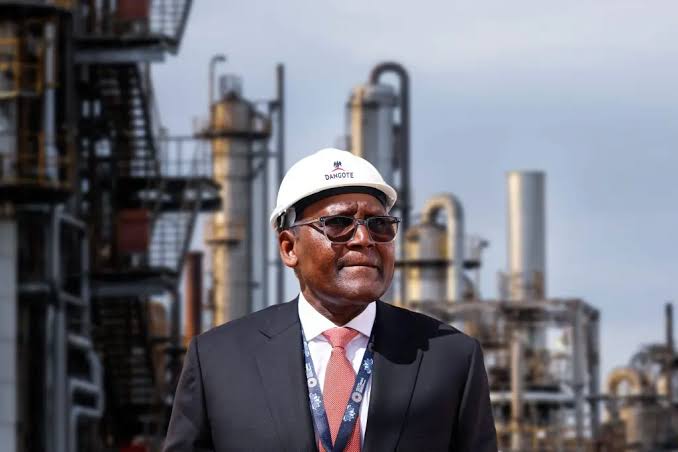
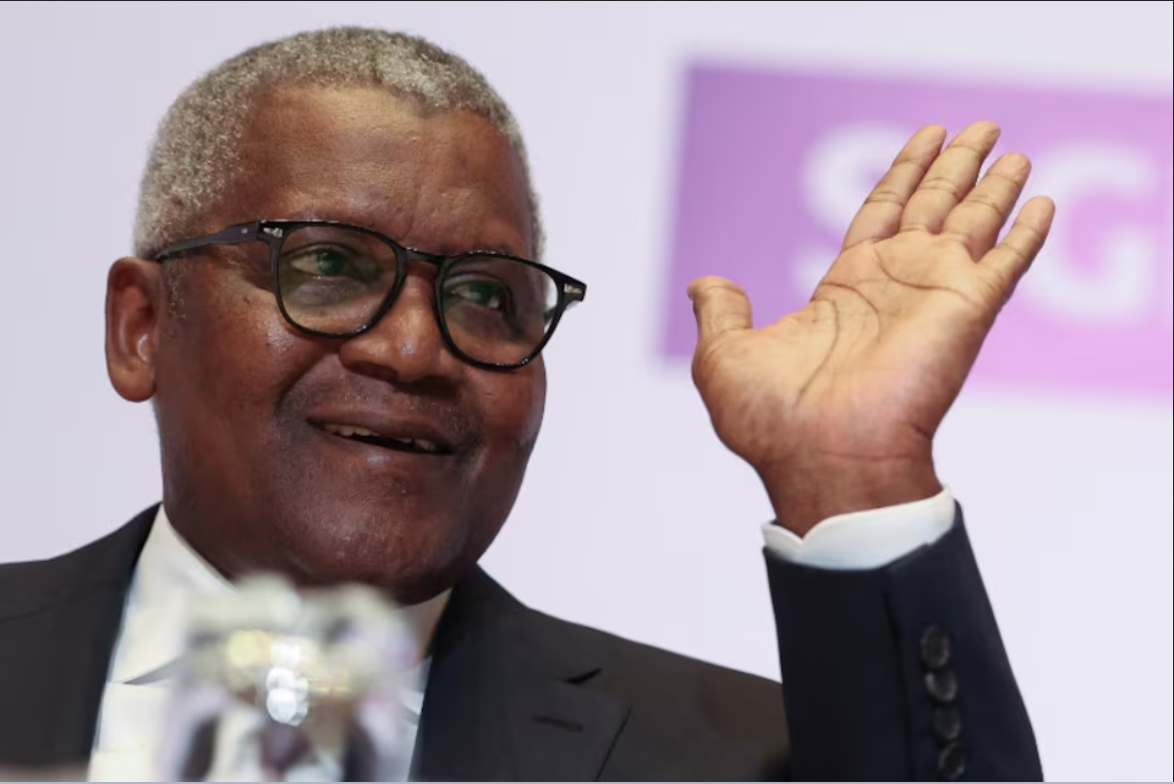
Nigeria’s Dangote Petroleum Refinery & Petrochemicals has officially opened its landmark initial public offering (IPO), creating what Reuters describes as Africa’s largest IPO to date. The public offer opened on September 14, 2026, and will run until October 13, 2026. The company is offering 4.1 billion shares at ₦525 per share, targeting approximately ₦2.15 trillion ($1.6 billion) in fresh capital. The offer could raise to about $2.1 billion if fully subscribed and additional shares under the greenshoe option are exercised. The IPO values the refinery at roughly $47–$49 billion and is designed to give retail investors broader access to ownership of one of Africa's largest industrial assets. The minimum subscription is 10 shares. What will the money be used for? Proceeds are expected to support Dangote's ambitious expansion programme, including increasing refining capacity from about 700,000 barrels per day to 1.4 million barrels per day by 2029. The expansion programme is estimated at $14.3 billion. The refinery, which began operations in 2024 after an estimated $20 billion construction cost, has become a major source of refined petroleum products for Nigeria and international markets. The company reported a $1.82 billion net profit in the first half of 2026, compared with a loss in the corresponding period a year earlier. Why this matters The listing represents a major development for Nigeria's capital market because it allows ordinary investors to acquire an ownership stake in a strategically important energy company. It could also significantly increase the size and visibility of Nigeria's stock market internationally. Trading is expected to begin on the Nigerian Exchange later in November 2026, following the completion of the offer process. Source: Reuters, Associated Press, Financial Times and Dangote Group materials.
2 min read
Read Story
Houthis Advance on Bab el-Mandeb, Threatening Vital Global Shipping Route
Business | Public Interest

Houthis Advance on Bab el-Mandeb, Threatening Vital Global Shipping Route

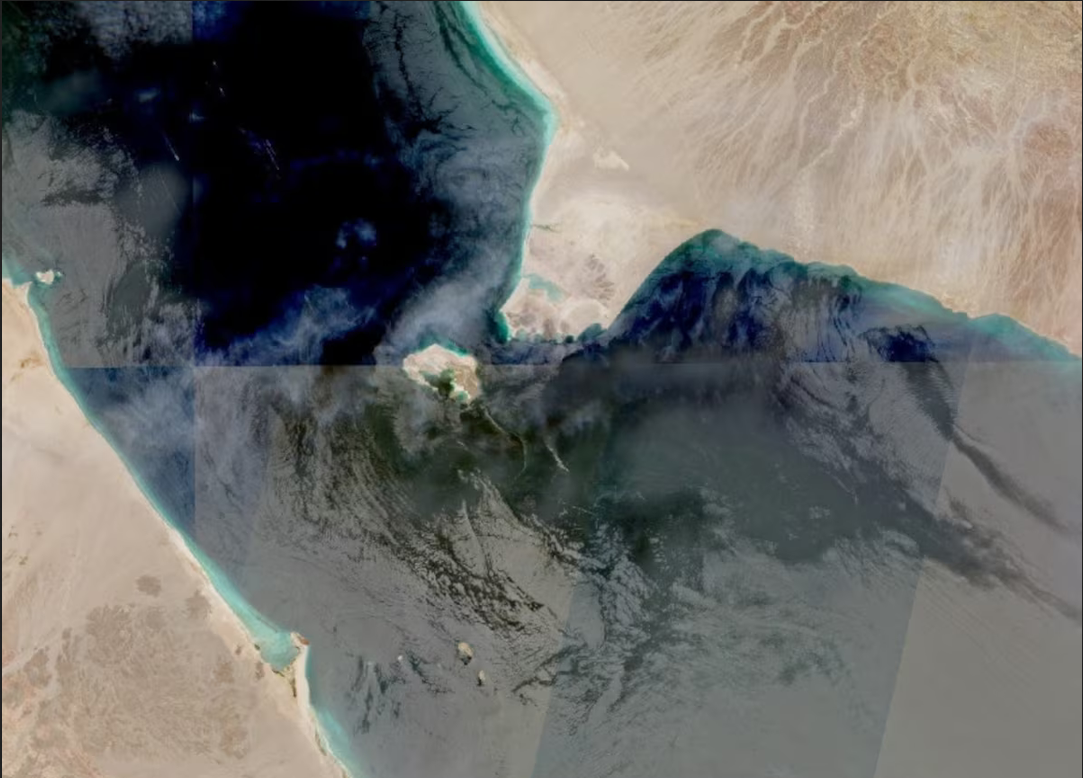
Houthis Seize Strategic Territory Near Red Sea Shipping Chokepoint Iran-aligned Houthi forces have seized strategically important territory near the Bab el-Mandeb Strait, intensifying concerns over one of the world's most important maritime trade routes. The Houthis have reached Perim Island, also known as Mayyun, in the Bab el-Mandeb Strait, while their forces have also advanced into the coastal town of Dhubab on Yemen's mainland, according to Yemeni government sources cited by Reuters. The developments follow the Houthis' capture of the strategic Red Sea port city of Mocha, marking a major advance by the group along Yemen's western coastline. Associated Press reported that the Houthi advance has raised fresh concerns over the security of international shipping through the region. Why Perim Island Matters Perim sits in the middle of the Bab el-Mandeb Strait, a narrow maritime passage separating Yemen from Djibouti and Eritrea. The strait connects the Red Sea with the Gulf of Aden and the Indian Ocean and serves as the southern gateway to the Suez Canal. Ships travelling between Europe and Asia frequently rely on the route, making the waterway strategically important to global trade and energy supplies. Reuters describes Bab el-Mandeb as one of the world's major maritime chokepoints. At its narrowest point, the strait is approximately 29 kilometres wide, with the island of Perim dividing the main shipping channels. Growing Threat to Global Shipping The Houthi advance raises concerns that the group could gain greater leverage over maritime traffic moving through the Red Sea. Shipping companies have already diverted significant amounts of commercial traffic away from the Red Sea because of previous Houthi attacks. AP reports that Red Sea shipping had fallen substantially as vessels sought safer but longer routes around Africa. A further deterioration in security could increase shipping costs, insurance premiums, delivery times and energy-market volatility, particularly for goods travelling between Asia and Europe. Oil Markets Under Pressure The latest territorial gains are also adding to concerns over global oil supplies. Reuters reported that oil prices remained above $100 a barrel amid fears that conflict around the Red Sea and other Middle Eastern shipping routes could disrupt energy flows. Saudi Arabia has also faced pressure over the security of alternative routes for exporting its crude. The situation is particularly sensitive because the Bab el-Mandeb and the Strait of Hormuz represent two strategically important maritime gateways in the wider Middle East. Yemen Faces Fresh Escalation The Houthi advance comes after renewed fighting between the group and forces aligned with Yemen's internationally recognised government. Saudi-backed government forces are reportedly preparing a counter-offensive to recover territory lost in the recent Houthi advance, including areas around Mocha and the Hanish Islands. The renewed fighting threatens to undo the relative calm that had prevailed in parts of Yemen following the 2022 truce. Global Implications The latest developments could have consequences far beyond Yemen. If the Houthis consolidate their position around the Bab el-Mandeb, they could gain increased strategic leverage over a maritime corridor connecting the Indian Ocean, Red Sea and Suez Canal. That could affect international shipping, global energy markets and the cost of transporting goods between Asia, the Middle East and Europe. For governments and shipping companies, the key question now is whether the Houthi advance will result in sustained disruption of the Bab el-Mandeb or trigger a broader military response from Saudi Arabia and its allies. For the moment, the Houthi expansion represents one of the most significant changes in the strategic balance around the Red Sea in recent years. Source: https://www.reuters.com/world/middle-east/why-is-bab-el-mandeb-strait-so-important-2026-09-10/?utm_source=chatgpt.com

4 min read
Read Story
Oil Nears $110 as Iran Conflict Deepens Global Energy Supply Fears
Business | Public Interest

Oil Nears $110 as Iran Conflict Deepens Global Energy Supply Fears

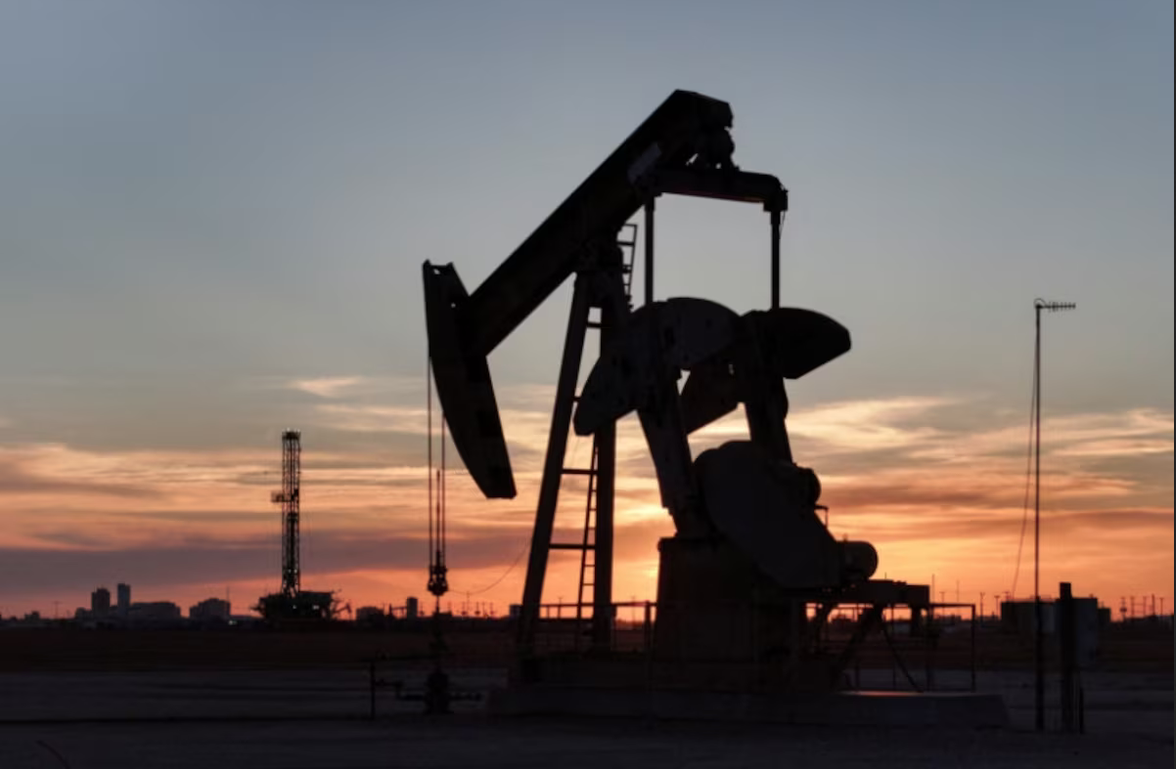
Oil prices have surged to their highest level in months as the escalating conflict involving the United States and Iran, coupled with growing threats to shipping routes in the Middle East, continues to raise fears of a major disruption to global energy supplies. Brent crude reached about $109.97 per barrel, while U.S. West Texas Intermediate (WTI) climbed above $103, putting both benchmarks on course for their first weekly close above $100 in nearly four months. Brent has gained roughly 13% this week. Why oil is rising The latest surge is being driven by mounting concerns over the security of critical oil and shipping routes. Iran-linked Houthi forces have reportedly seized Yemen's Mocha port, raising fears over traffic through the strategically important Bab el-Mandeb Strait, while fighting and attacks around the region have added further uncertainty. Iran has also threatened additional retaliation following U.S. military action. The Strait of Hormuz remains another major concern because of its importance to global energy transportation. Any sustained disruption could sharply reduce the amount of crude reaching international markets. Global economic impact The oil shock is already spilling into financial markets. Higher energy prices are increasing inflation expectations and pushing government bond yields higher. The U.S. 10-year Treasury yield has approached 5%, while markets are increasingly pricing in the possibility of additional interest-rate increases rather than cuts. Reuters reports that markets were assigning roughly a 70% probability to a U.S. Federal Reserve rate hike next week. European and Asian markets have also come under pressure as investors assess the possibility that expensive energy could keep inflation elevated for longer. What it could mean for Nigeria For Nigeria, the development presents both an opportunity and a risk. Higher international crude prices could increase government and oil-sector revenues because Nigeria is an oil-producing country. However, the benefits could be offset by higher domestic energy and transportation costs, particularly if global refined-product prices continue rising. The situation matters especially for Nigerian consumers because higher fuel and transportation costs can feed into food prices, logistics, electricity generation, and overall inflation. Could oil reach $120? Analysts are increasingly warning that prices could move considerably higher if the conflict continues to disrupt Middle Eastern supply. Reuters reports that some analysts see Brent potentially reaching around $122 per barrel if the conflict escalates further. That makes developments around Iran, the Strait of Hormuz, the Red Sea, and international shipping critical indicators of where crude prices go next. Source: Reuters, with additional reporting from AP and other international financial news outlets.

3 min read
Read Story
Dangote Refinery IPO: Nigeria’s Market Reacts as Investors Reposition
Business | Public Interest

Dangote Refinery IPO: Nigeria’s Market Reacts as Investors Reposition

Nigeria’s stock market is experiencing renewed selling pressure ahead of the Dangote Petroleum Refinery IPO, which is scheduled to open for subscription on September 14, 2026. The IPO will offer 4.1 billion shares at ₦525 each, potentially raising about ₦2.15 trillion ($1.63 billion). The refinery has been valued at roughly $47 billion, making the offering the largest IPO in Africa to date. Investors are selling shares to raise cash The anticipated IPO is already affecting the Nigerian Exchange. On September 8, the NGX All-Share Index fell 1.17%, while market capitalisation dropped by approximately ₦1.88 trillion to ₦158.72 trillion. Market participants attributed much of the selling pressure to investors repositioning portfolios and raising liquidity ahead of the Dangote offer. The market weakened further on September 9, losing another ₦1.67 trillion in market capitalisation as heavyweight stocks including Nestlé Nigeria, BUA Cement, Nigerian Breweries, Cadbury Nigeria and Oando declined. Why investors are interested The refinery has become one of Nigeria's most important industrial assets. It currently has a capacity of around 700,000 barrels per day, and Dangote plans to invest about $14.3 billion to expand capacity to 1.4 million barrels per day by 2029. The company reported $1.82 billion in profit during the first half of 2026, compared with a $476 million loss during the same period a year earlier. What could happen after the IPO? Analysts expect the listing to significantly increase the size and depth of Nigeria's capital market. TheCable reported that the refinery's eventual listing could help push Nigerian Exchange market capitalisation above ₦200 trillion. However, the immediate effect may be more complicated: investors selling existing holdings to finance IPO purchases could continue putting pressure on other NGX-listed companies before the offer closes. Bottom line: The Dangote Refinery IPO is creating both excitement and short-term volatility in Nigeria's stock market. It could bring billions of dollars into the capital market and create a major new investment opportunity, but investors are already shifting portfolios ahead of the September 14 opening.

2 min read
Read Story
Dangote Refinery Targets $1.6bn in Africa’s Biggest IPO
Business | Public Interest

Dangote Refinery Targets $1.6bn in Africa’s Biggest IPO

The Dangote Petroleum Refinery and Petrochemicals is set to launch what is expected to become Africa’s largest-ever initial public offering (IPO), with the company targeting about $1.63 billion (₦2.15 trillion) from investors. The public offering is scheduled to open on September 14, 2026, and close on October 13, according to the company’s IPO documents and recent reports by Reuters. The offer comprises 4.1 billion ordinary shares priced at ₦525 each. Minimum Investment Set at ₦5,250 Investors will be able to subscribe for a minimum of 10 shares, putting the minimum subscription at ₦5,250. The offering is expected to have significant retail participation, with the company seeking to give Nigerian and African investors an opportunity to own shares in one of the continent’s largest industrial projects. The shares are expected to be listed on the Main Board of the Nigerian Exchange, with trading anticipated to begin in November, subject to the completion of the offer and applicable processes. Funds to Support Major Expansion Proceeds from the IPO are expected to support the refinery’s expansion programme, which aims to increase its processing capacity from about 700,000 barrels per day to 1.4 million barrels per day by 2029. The broader expansion programme is estimated at approximately $14.3 billion and is expected to include additional refining and petrochemical facilities. The refinery, located in Lagos, began operations in 2024 and has become a major player in Nigeria’s petroleum market. Refinery Reports Strong Profit Turnaround The IPO comes after a significant improvement in the refinery’s reported financial performance. According to its IPO prospectus cited by Reuters, the refinery recorded an after-tax profit of $1.82 billion in the first half of 2026, compared with a $476 million loss for the whole of 2025. The company has also benefited from disruptions in global refining and fuel markets, which have increased demand for refined petroleum products. Dangote Refinery currently has a processing capacity of about 700,000 barrels per day, making it one of the world's largest single-site refining facilities. What the IPO Means for Nigerian Investors The offering could represent a major opportunity for Nigerian retail investors to participate directly in the ownership of a strategic energy asset. However, as with any investment in the stock market, investors will need to carefully consider the company’s valuation, financial performance, market conditions, currency exposure and future expansion plans before subscribing. The IPO has already attracted significant attention because of the size of the offering and the refinery’s importance to Nigeria’s energy sector. If fully subscribed, the deal would raise approximately ₦2.15 trillion, or about $1.63 billion, making it one of the most significant capital-market transactions in Africa. Source: Reuters — September 8, 2026. Editorial note: Figures and investment details are based on the company’s IPO documents and reports cited above. Prospective investors should consult the official prospectus and licensed investment professionals before making investment decisions.

3 min read
Read Story
Nigeria Records ₦12.59tn Trade Surplus in Q2 2026 as Exports Surge
Business | Public Interest

Nigeria Records ₦12.59tn Trade Surplus in Q2 2026 as Exports Surge

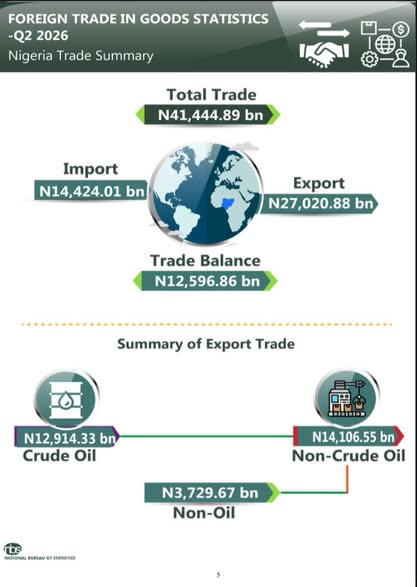
Nigeria recorded a ₦12.59 trillion merchandise trade surplus in the second quarter of 2026, as the value of goods exported significantly exceeded the country's imports during the period. Data from the National Bureau of Statistics (NBS) showed that Nigeria's total merchandise trade rose strongly in the quarter, with exports growing faster than imports. The reported trade surplus represents an increase of about 66.85 per cent compared with the previous quarter. A trade surplus occurs when a country's exports are worth more than its imports. In Nigeria's case, the latest figures indicate stronger export performance and a comparatively lower value of imported goods during the quarter. Reports on the NBS figures put Nigeria's total merchandise trade in Q2 at approximately ₦41.44 trillion, while imports were valued at about ₦14.4 trillion, resulting in the ₦12.59 trillion surplus. Export Performance Drives Improvement The latest data point to exports as the major driver of the improvement in Nigeria's external trade position. The development is particularly significant for an economy that has historically relied heavily on crude oil and petroleum-related exports to generate foreign exchange. A stronger trade balance can potentially support foreign-exchange liquidity and strengthen the country's external position. However, a trade surplus alone does not necessarily mean that households and businesses will immediately experience lower prices or improved living standards. The composition of exports, the stability of global commodity prices, domestic production capacity and the country's ability to convert export earnings into broader economic growth remain important factors. What the Figures Mean for Nigeria The Q2 performance comes as the Federal Government continues to implement economic reforms aimed at strengthening exports, attracting investment and improving Nigeria's foreign-exchange position. The figures are likely to provide a positive signal for policymakers and investors, particularly if the improvement in exports can be sustained over subsequent quarters. However, economists have consistently noted that Nigeria's long-term economic strength will depend not only on maintaining a trade surplus but also on expanding non-oil exports, domestic manufacturing and productive capacity. For now, the ₦12.59 trillion surplus represents a notable improvement in Nigeria's merchandise trade position and another important indicator to watch as the economy undergoes major reforms. Source: National Bureau of Statistics (NBS), as reported by TheCable and other Nigerian media — September 2026. Editorial note: The trade figures cited above are based on reported NBS data. A trade surplus should not, by itself, be interpreted as proof that Nigeria's broader economic challenges have been resolved.

3 min read
Read Story
Nigeria’s Foreign Reserves Rise to $54.13bn, Second-Highest on Record
Business | Public Interest

Nigeria’s Foreign Reserves Rise to $54.13bn, Second-Highest on Record

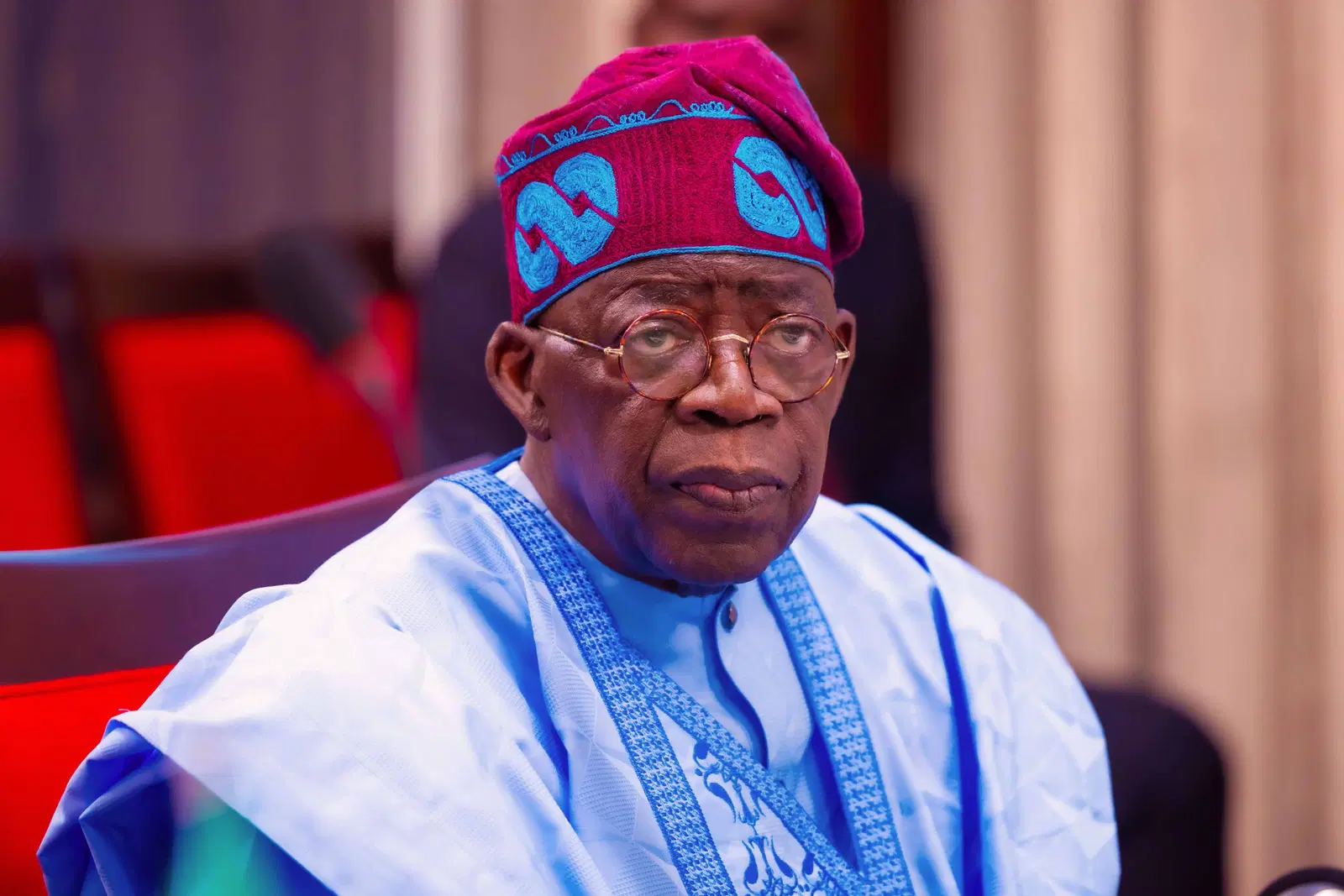
Nigeria’s gross foreign exchange reserves have risen to $54.13 billion, putting the country’s external reserves at their second-highest level on record, according to figures cited from the Central Bank of Nigeria (CBN). The latest figure was disclosed by O’tega Ogra, Senior Adviser on Digital and New Media to President Bola Ahmed Tinubu, who said the data showed a significant improvement in Nigeria’s external reserves. According to the figures, Nigeria’s reserves have increased by about $21.84 billion, or nearly 68 per cent, from approximately $32.29 billion in May 2023, when President Tinubu assumed office. The current level is reportedly second only to the $62.08 billion recorded in September 2008, which remains Nigeria’s historical peak. The 2026 figure also exceeds the previous recent high of about $45.71 billion recorded in 2025. What Is Driving the Increase? The rise in reserves comes amid significant changes in Nigeria’s foreign-exchange and economic policy environment, including reforms implemented by the Tinubu administration and the CBN. Higher foreign-exchange inflows, improved oil-sector performance, and changes in the management of the foreign-exchange market are among the factors being watched as Nigeria seeks to strengthen its external position. The development also comes shortly after Nigeria recorded a ₦12.59 trillion merchandise trade surplus in the second quarter of 2026, with exports significantly exceeding imports during the period. Government Hails Economic Reforms Ogra attributed the growth in reserves to the Tinubu administration’s economic reforms, arguing that the latest figures indicate that the reforms are beginning to produce measurable results. He acknowledged that some of the reforms have been difficult for Nigerians but said the improvement in key economic indicators was beginning to show their impact. However, the rise in foreign reserves does not by itself mean that Nigeria’s broader economic challenges have been resolved. Foreign reserves provide an important buffer for meeting external obligations, supporting foreign-exchange liquidity and strengthening confidence in an economy. But issues such as inflation, unemployment, purchasing power, debt servicing and the cost of living remain separate measures of economic wellbeing. The sustainability of the reserve accumulation will therefore depend on Nigeria’s ability to maintain stable foreign-exchange inflows, increase productive capacity and strengthen both oil and non-oil exports. For now, the $54.13 billion reserve position represents a major improvement in Nigeria’s external financial buffer and the highest level recorded since the global financial crisis era. Source: Vanguard, citing CBN data and O’tega Ogra — September 8, 2026. Editorial note: The $54.13 billion figure is attributed to CBN data cited by the Presidency. The attribution of the reserve increase to specific government reforms represents the position of the Tinubu administration and should not be interpreted as an independently established causal conclusion.

3 min read
Read Story